Halloween is one of the most exciting times of the year for children and families across the United States. From choosing imaginative costumes and decorating pumpkins to attending school celebrations and exploring neighborhoods for candy, the holiday offers countless opportunities to create happy family memories. For parents, however, Halloween also comes with plenty of planning, from managing costume budgets to finding safe community events and making sure children can enjoy the festivities comfortably.
Halloween 2026 falls on Saturday, October 31, giving many families an opportunity to organize weekend celebrations, attend community trunk-or-treat events, and plan activities without the usual pressure of a school-night schedule. Local event times and arrangements will vary, so parents should check announcements from their schools, parks, churches, and community organizations before making plans.
Whether your child dreams of becoming a superhero, an astronaut, a fairy, or a friendly monster, there is no need to spend a fortune to make Halloween memorable. With a little creativity, thoughtful preparation, and a focus on safety, parents can create a celebration that suits their children’s personalities and their family’s budget.
This guide to Halloween 2026 for kids explores creative costume ideas, imaginative trunk-or-treat themes, family-friendly fall activities, and practical safety tips to help American families prepare for a fun and enjoyable Halloween.
Why Halloween 2026 Is a Great Time for Family Fun
Halloween is about more than collecting candy. For children, it can be an opportunity to express their creativity, practice social skills, participate in community traditions, and experience the excitement of dressing up as someone or something different. For parents, the holiday offers a chance to connect with children through crafts, cooking, decorating, and shared neighborhood activities.
The Saturday date in 2026 may also make it easier for some households to organize daytime pumpkin decorating, afternoon parties, and evening trick-or-treating. However, individual communities may schedule their own celebrations on different dates or at different times, so it is worth confirming local arrangements early.
Families living in mountain communities, including areas with changing autumn temperatures, should also prepare for potentially cold evenings, wind, rain, or early snow. A costume that looks perfect indoors may need an extra layer to remain comfortable outdoors.
The best Halloween plan is one that matches your family’s schedule, your children’s ages, and the activities available in your community. A simple neighborhood walk, a school costume parade, or a homemade Halloween party can be just as memorable as a large commercial attraction.
Creative Halloween Costume Ideas for Kids in 2026
Choosing a costume is often one of the most exciting parts of Halloween. Children may spend weeks imagining what they want to wear, while parents try to balance those ideas with comfort, affordability, weather, and practicality.
Instead of assuming that every child wants the latest character costume, start by asking what interests them. A child who loves science might prefer an astronaut, while a young animal enthusiast might be thrilled to dress as a fox, bear, or dinosaur. Involving children in the decision helps them feel more excited about the final result.
1. Easy DIY Costumes for Budget-Conscious Families
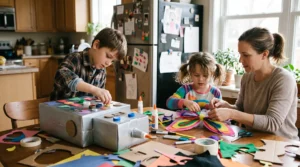
Homemade costumes remain a useful option for families trying to control seasonal spending. Cardboard boxes, felt, old clothing, paper, and a few inexpensive craft supplies can become the foundation for an imaginative outfit.
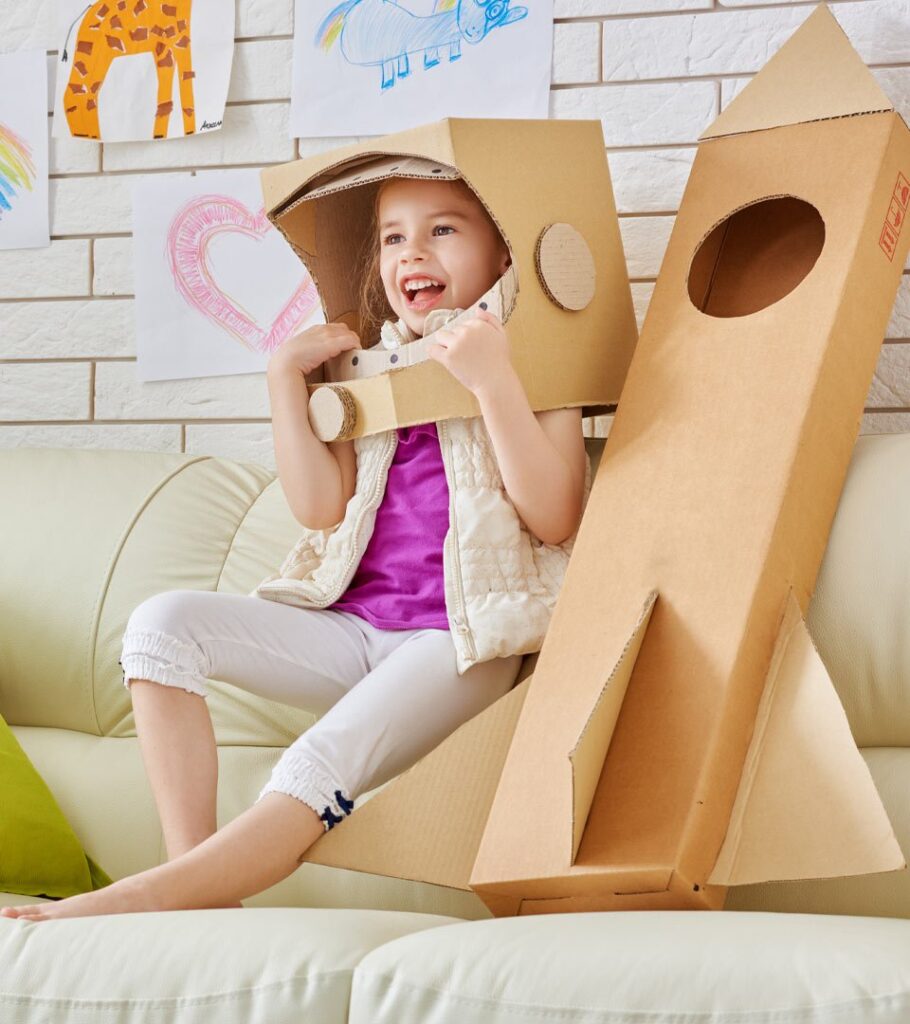
A cardboard robot is a classic example. An adult can prepare a lightweight box with appropriately sized openings, and children can decorate it with paper buttons, painted shapes, and colorful details. Make sure the costume does not obstruct movement, vision, or breathing, and avoid sharp edges or heavy attachments.
Another easy idea is a friendly garden scarecrow made with a plaid shirt, comfortable pants, a soft hat, and a few fabric patches. A butterfly costume can be created with lightweight wings attached securely to comfortable clothing, while a book-loving child might enjoy dressing as a favorite storybook character using clothes already in the closet.
These projects can become family activities rather than last-minute chores. Set aside an afternoon to gather supplies, test the costume, and allow children to personalize the design.
2. Nature-Inspired Costumes for Outdoor-Loving Kids
Children who enjoy hiking, camping, wildlife, or outdoor exploration may love nature-inspired costumes. Woodland animals, forest fairies, park rangers, butterflies, and friendly bears can all be adapted for different ages and budgets.
For families in the American High Country, local autumn scenery can provide inspiration. Colorful leaves, pinecones, and mountain wildlife may influence a child’s costume without requiring expensive accessories. Use safe, lightweight craft materials rather than attaching sharp natural objects to clothing.
A woodland explorer costume can be especially practical for chilly evenings. Comfortable pants, a warm jacket, a simple hat, and a small fabric backpack can create the look while allowing space for additional layers underneath.
3. Group Costumes for Siblings and Friends
Coordinated costumes can make family photographs and neighborhood celebrations especially memorable. Siblings might dress as astronauts from the same space mission, characters from a fairy-tale kingdom, or different animals from a woodland habitat.
Friends can coordinate around a shared idea without wearing identical outfits. One child might be a gardener, another a butterfly, and another a flower. The group shares a theme while every child retains the freedom to choose an individual costume.
Parents should avoid making group participation a requirement. Children have different interests, comfort levels, and ideas about dress-up, and a coordinated theme works best when everyone wants to participate.
4. Comfortable Costumes for Toddlers and Preschoolers
For younger children, comfort should take priority over elaborate details. Soft fabrics, easy-to-remove layers, familiar shoes, and simple headwear are usually more practical than oversized costumes with complicated fasteners.
A toddler may enjoy a pumpkin outfit, a friendly animal costume, or a simple character-inspired sweatshirt. These options can be easier to manage during naps, bathroom breaks, and changes in temperature.
Avoid accessories that can become choking hazards, particularly for children who still put objects in their mouths. Make sure hats stay in place without covering the eyes, and check that the costume does not restrict movement or breathing.
It is also wise to try the outfit before Halloween. A child who refuses to wear a scratchy cape or uncomfortable mask at home is unlikely to enjoy wearing it throughout a busy evening.
5. Sensory-Friendly and Adaptive Halloween Costumes
Halloween should be enjoyable for children with different sensory needs, mobility requirements, and communication styles. A child who dislikes face paint, loud decorations, scratchy fabrics, or crowded events may prefer a simpler costume and a quieter celebration.
Consider familiar clothing with a small costume accessory, such as a comfortable themed shirt, a soft cape, or an animal-ear headband. Children who use mobility devices may enjoy decorating a wheelchair, walker, or other equipment as part of their costume, provided decorations do not interfere with safe operation.
Parents can also plan a shorter route, visit a familiar neighbor, attend a quieter daytime event, or arrange a small celebration at home. Let children know what to expect and give them permission to take breaks.
The goal is not to make every child follow the same Halloween routine. It is to create a celebration in which each child can participate in a way that feels safe and enjoyable.

Affordable Halloween Costume Planning for Parents
Halloween spending can quickly add up when a family purchases several costumes, accessories, decorations, candy supplies, and event tickets. Planning ahead helps prevent last-minute purchases and gives parents more control over their budgets.
Start by checking what your household already owns. A black shirt, jeans, a hat, and a few simple accessories may provide the basis for several costume ideas. Older siblings may have clothing or dress-up items that can be reused, provided everything fits properly and remains in good condition.
Secondhand stores, neighborhood swap groups, and costume exchanges can also help families find affordable options. When buying used items, inspect seams, fasteners, fabric condition, and accessories before allowing children to wear them. Check product safety information and recalls when applicable.
Set a realistic spending limit before shopping. Include the costume, shoes, accessories, craft materials, and any school or community event fees in the total. If your child changes their mind about a costume, try adapting the original idea instead of replacing every item.
Parents can also turn costume preparation into a creative activity. Children may enjoy helping decorate a cardboard prop, choosing colors, or making a treat bag. This approach creates memories while teaching practical skills and showing that an enjoyable holiday does not depend on expensive purchases.
Trunk-or-Treat Themes That Kids Will Love
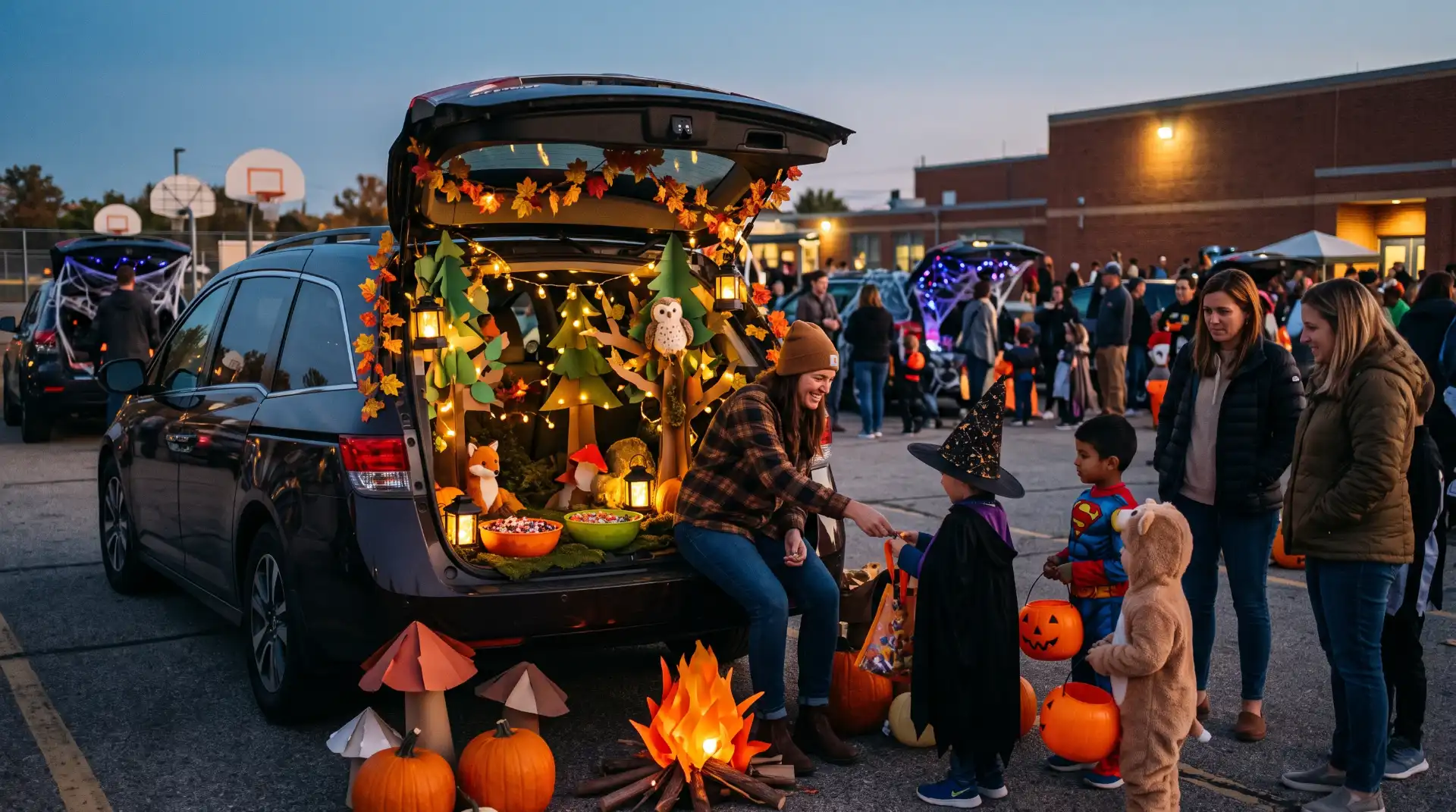
Trunk-or-treat events have become a popular option for schools, churches, neighborhood groups, and community organizations throughout the United States. Instead of walking from house to house, families gather in an approved parking area where participating vehicles are decorated and children collect treats from designated stations.
These events can offer a convenient alternative for families who prefer a more organized setting. However, the quality and safety of an event depend on its planning, location, supervision, and traffic arrangements. Always check the organizer’s instructions before attending.
1. Enchanted Forest Trunk-or-Treat
Create a woodland scene using paper leaves, cardboard trees, soft lighting, and friendly forest animals. A few artificial mushrooms, leaf garlands, and reusable decorations can transform a vehicle’s open trunk into an imaginative forest clearing.
Children dressed as foxes, bears, fairies, and explorers will fit naturally into the theme. Parents can hand out individually wrapped treats or suitable non-food items while keeping the display simple enough to set up and remove quickly.
For a High Country twist, use autumn colors and mountain-inspired details. Avoid loose decorations that could blow into driving lanes, obstruct visibility, or create a tripping hazard.
2. Outer Space Adventure
An outer-space theme can turn a vehicle into a miniature galaxy. Use dark fabric, paper planets, cardboard stars, and lightweight rocket decorations to create a display inspired by space exploration.
Children can arrive dressed as astronauts, aliens, or scientists. A simple game, such as matching planet pictures or identifying constellations on a poster, can make the stop more interactive without requiring expensive equipment.
Use battery-powered lights where appropriate, secure all decorations, and ensure that the display does not block vehicle lights or the driver’s view when the vehicle is moved.
3. Friendly Monster Laboratory
A monster laboratory can be colorful and silly rather than frightening. Green, purple, and orange paper decorations, oversized cartoon eyes, and friendly monster faces create a playful scene suitable for younger children.
Organizers can offer a simple guessing game or let children choose from several themed stickers. Avoid realistic medical hazards, messy substances, or small objects that could be unsafe for young visitors.
4. Storybook Adventure
A storybook theme celebrates reading and imagination. Families can decorate their vehicles with large paper books, castles, friendly dragons, or familiar fairy-tale details while children arrive dressed as their favorite literary characters.
A participating family might give away bookmarks, stickers, or other age-appropriate non-food treats. The theme also provides an opportunity for schools and libraries to promote reading in a fun, welcoming environment.
5. Pumpkin Patch and Harvest Festival
A pumpkin patch theme uses orange, yellow, and brown decorations, artificial hay bales, paper pumpkins, and fall leaves to create a seasonal display. It can be especially suitable for preschoolers and families who prefer a less spooky atmosphere.
A small display of different pumpkin faces or a simple autumn-themed guessing game adds an activity without creating a crowded line. Keep decorations away from hot vehicle components, electrical hazards, and pedestrian pathways.
6. Superhero Training Station
Transform the trunk into a pretend superhero headquarters using colorful paper emblems, cityscape cutouts, and lightweight decorations. Children can collect a small token or choose a sticker as they complete a simple superhero challenge.
Avoid toy weapons with hard or sharp parts, and do not encourage running or jumping around moving vehicles. Keep activities stationary and supervised.
How to Organize a Safe Trunk-or-Treat Event
A successful trunk-or-treat event requires more than creative decorations. Organizers should establish a clear pedestrian route, keep vehicles stationary during the event, designate accessible parking and walking paths, and ensure that children are separated from moving traffic.
Parents should follow instructions about parking, arrival times, treat distribution, and permitted decorations. If the event includes flashing lights, music, or crowded areas, consider whether these features may be uncomfortable for younger children or those with sensory sensitivities.
Before attending, check whether the organizer provides allergy information, accessible facilities, restrooms, and a designated area for families who need a quieter environment. These details can make a community event more welcoming to a wider range of children.
Fun Halloween Activities to Enjoy Before October 31
Halloween does not need to be limited to one evening. Families can spread the excitement throughout October with inexpensive activities that encourage creativity, movement, and time together.
Pumpkin Decorating for Different Ages
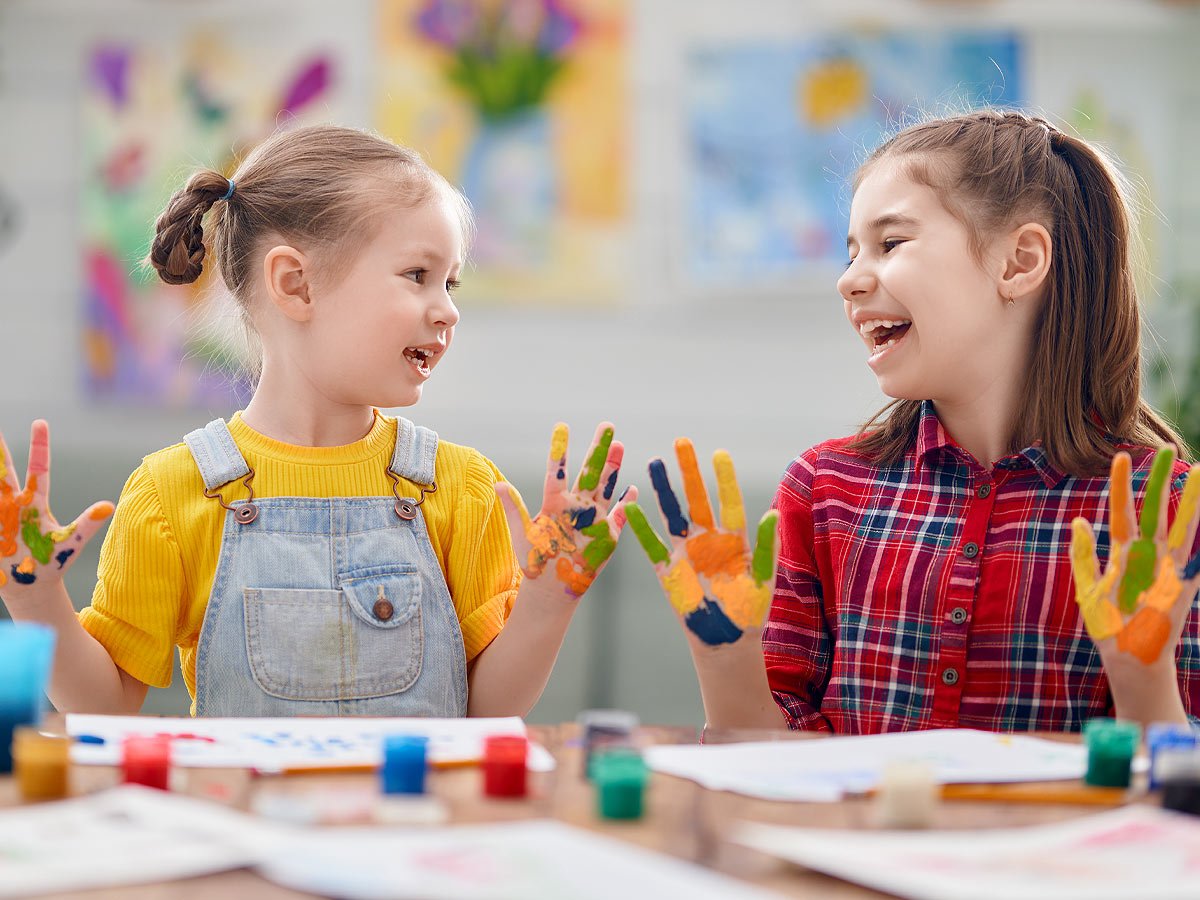
Pumpkin decorating is a simple activity that can be adapted for toddlers, school-age children, and teenagers. Younger children can draw faces with washable markers or attach large, age-appropriate decorations with adult help. Older children may enjoy designing more detailed characters or creating a coordinated family display.
Adults should handle carving and sharp tools. The U.S. Consumer Product Safety Commission recommends safer approaches to pumpkin preparation and advises families to use battery-operated lights or glow sticks instead of open flames when lighting jack-o’-lanterns.
Choose a stable work surface, protect clothing, and supervise the use of paint, glue, and craft materials. If the pumpkin will be displayed outdoors, place it where it will not obstruct a walkway or become a tripping hazard.
Halloween Crafts and Family Game Night
A Halloween craft afternoon can include paper bats, pumpkin garlands, homemade treat bags, or simple greeting cards for neighbors. Reusable supplies help keep costs down and allow children to experiment without worrying about making a perfect finished product.
For a family game night, try Halloween-themed charades, a costume guessing game, or a friendly scavenger hunt around the home. Make the activities suitable for the youngest participants so everyone can join in.
Families looking for more ideas can explore top family-friendly activities in Boone, North Carolina for inspiration when planning additional outings throughout the year.
A Halloween Movie Night at Home
A movie night can be a useful option when the weather is unpleasant or children need a break from busy community events. Choose age-appropriate entertainment, prepare a simple snack, and let children help create a cozy viewing area with blankets and paper decorations.
Not every family enjoys scary movies, and younger children may find suspenseful scenes upsetting. Check the film’s rating and content before watching, and choose a gentle animated adventure if that better suits your household.
Take an Autumn Nature Walk
During daylight hours, an autumn walk can help children appreciate seasonal changes while getting some fresh air. Look for colorful leaves, interesting tree shapes, acorns, and other natural features without disturbing wildlife or collecting anything from protected areas.
Families in mountain regions should check the forecast, dress in layers, and choose a route appropriate for their children’s ages and abilities. If conditions are cold, wet, or icy, move the activity indoors rather than treating the walk as a requirement.
For additional ideas that encourage imaginative, hands-on play, read The Loose Parts Revolution: Open-Ended Play That Builds Smarter Kids. Many of the same everyday materials used for open-ended play can become the foundation for creative Halloween crafts.
Halloween Safety Tips Every Parent Should Know
Costumes, candy, decorations, and excited crowds are part of Halloween, but each can create avoidable risks if families do not prepare. A few straightforward precautions can help children enjoy the holiday more comfortably.
Choose Costumes That Fit Properly
A costume should allow a child to walk, see, breathe, and move freely. Long hems, oversized shoes, trailing capes, and loose accessories can increase the chance of tripping, especially on dark sidewalks and uneven ground.
Try the complete costume before Halloween night, including shoes, hats, masks, and any props. Ask your child to walk, turn, sit down, and climb a few steps while wearing it. Shorten or adjust anything that drags on the ground or interferes with movement.
Look for flame-resistant labeling on costumes, wigs, and accessories. Keep children away from open flames, including candlelit pumpkins and outdoor decorations, because even materials intended to resist burning can still be hazardous around ignition sources.
Improve Visibility After Dark
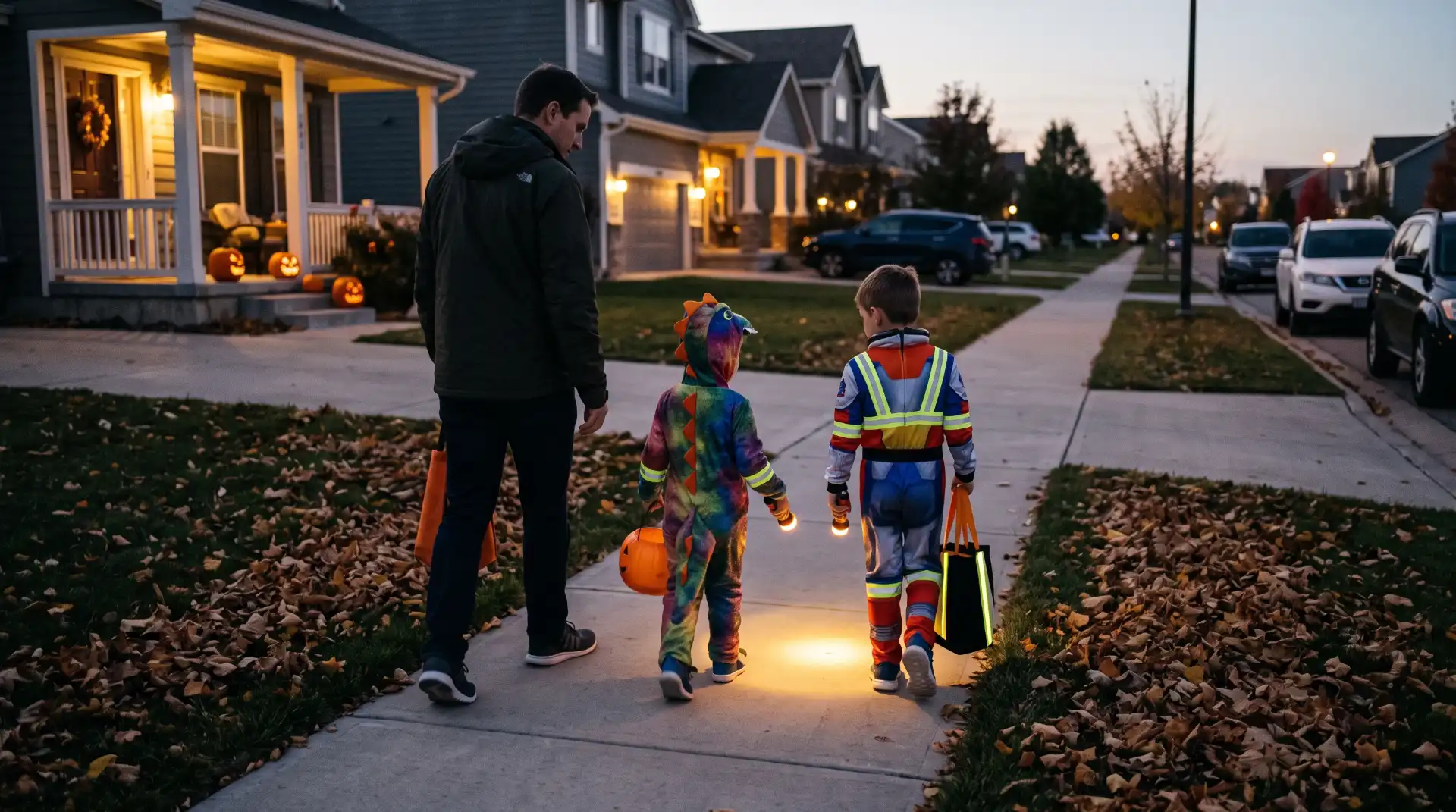
Many families trick-or-treat during dusk or after sunset, when drivers may have difficulty seeing children in dark costumes. Choose bright clothing where possible and add reflective tape to costumes and treat bags. Children can carry flashlights to help them see the path and make themselves more visible.
Use sidewalks whenever available, cross at designated crosswalks, and look both ways before crossing the street. Adults should avoid distractions from phones and keep young children close, especially in busy neighborhoods.
If older children go out with friends, agree on a route, a return time, and a reliable way to contact a responsible adult. A buddy system can help, but it does not replace sensible planning and supervision.
The American Academy of Pediatrics offers additional guidance in its Halloween Fun & Safety Tips for Kids of All Ages. Reviewing this guidance before the holiday can help parents check costumes, plan safer routes, and prepare for trick-or-treating.
Supervise Children According to Their Age
Young children should be accompanied by a responsible adult throughout trick-or-treating. Parents can choose a short route with familiar homes and return before children become tired or overwhelmed.
Older children may be ready for greater independence, depending on their maturity and local conditions. Discuss the plan before they leave, set clear boundaries, and make sure they understand what to do if the group becomes separated or someone feels unsafe.
Children should not enter unfamiliar homes or vehicles to receive treats. They should stay with their group, remain on the planned route, and contact a trusted adult if a situation feels uncomfortable.
Check Halloween Candy and Other Treats
Children are often eager to eat candy as soon as they receive it, but parents should wait until everyone is home so treats can be checked. Discard items that are unwrapped, damaged, spoiled, or otherwise suspicious, and follow age-appropriate choking precautions.
Food allergies require additional planning. If a child has a known allergy, review labels carefully and avoid treats with uncertain ingredients or packaging. Parents can bring suitable alternatives and explain in advance which treats are safe for their child.
Families who want to make their celebrations more inclusive can offer non-food items such as stickers, bookmarks, bubbles, or other age-appropriate novelties. Small objects should be kept away from children who could choke on them.
Make Your Home Safe for Visiting Trick-or-Treaters
If your household plans to distribute candy, check the porch, steps, driveway, and front walkway before the first visitors arrive. Move bicycles, garden hoses, toys, and other obstacles away from walking areas, and make sure outdoor lights are working.
Keep pets in a secure, comfortable space if they may become anxious or excited when strangers approach the door. Remove decorations that could fall, block exits, or catch on children’s costumes.
Battery-operated candles are a practical alternative to open flames in pumpkins and other decorations. Inspect decorative electrical lights for damaged cords and connections, follow the manufacturer’s instructions, and avoid overloading outlets or extension cords.
Practice Safe Pumpkin Carving
Carving a pumpkin can be a memorable family tradition, but sharp tools should be handled by adults. Children can participate by drawing a design, scooping out seeds with appropriate supervision, or decorating the finished pumpkin.
Work on a stable surface with adequate lighting, keep sharp tools away from the edge of the table, and avoid rushing. Once the pumpkin is ready, use a battery-powered light instead of a candle, especially if the display is near a doorway or walkway.
Planning Halloween for Children With Food Allergies or Sensory Needs
Every family approaches Halloween differently, and some children need additional preparation to participate comfortably. A child with food allergies may worry about treats, while a child with sensory sensitivities may find crowded events, loud music, flashing lights, or unfamiliar costumes overwhelming.
Talk with your child about the activities ahead of time. Explain where you will go, how long you expect to stay, what kinds of treats may be available, and where you can take a break if needed.
For children with food allergies, bring safe alternatives and establish a clear plan for checking labels. Do not assume that an unmarked treat is safe simply because it looks familiar. If your child has an established allergy action plan, follow the guidance provided by their healthcare professional.
For sensory needs, consider quieter events, shorter outings, comfortable clothing, and a familiar adult who can help the child regulate when the environment becomes overwhelming. Ear protection may be useful in noisy settings if it suits the child’s needs and does not interfere with awareness of traffic or other hazards.
A successful Halloween does not have to follow a traditional trick-or-treating schedule. A small home celebration, a daytime school event, or a brief visit to a few trusted neighbors can provide an equally meaningful experience.
How to Plan a Stress-Free Halloween Weekend
A little organization can make Halloween more enjoyable for parents as well as children. Instead of leaving everything until October 30, create a simple schedule that spreads preparation across the month.
In early October, discuss costume ideas, set a spending limit, and check community event announcements. During the middle of the month, complete costume fittings, purchase any remaining supplies, and decide whether your family will attend a trunk-or-treat event, a neighborhood celebration, or both.
In the final week, confirm event times, review the weather forecast, prepare treat bags, and check shoes, reflective accessories, and flashlights. If you plan to host visitors, clear walkways and test outdoor lighting before Halloween night.
On October 31, allow extra time for getting dressed and eating a meal before going out. Hungry or tired children may become frustrated more easily, so a relaxed schedule is usually better than trying to fit too many activities into one evening.
Families who value connection can also build in a small tradition, such as taking a costume photograph, decorating a pumpkin together, or sharing each child’s favorite moment at the end of the night. These simple rituals can become memories children look forward to every year.
Parents interested in making more intentional time for family connection can also read The 20-Minute Rule: Transform Your Parent-Child Relationship One Day at a Time. A short period of focused attention can make costume planning or another seasonal activity feel more meaningful.
Halloween 2026 Budget Tips for Busy Families
An enjoyable Halloween does not require a large budget. The most effective approach is to decide what matters most to your family and spend accordingly.
If costumes are the priority, simplify decorations and choose free or low-cost activities at home. If your children are most excited about a community event, reserve money for any admission fees and create costumes from items you already own.
Reusable decorations can save money over several years. Store them in labeled containers after Halloween and check their condition before buying replacements the following season. Families can also share supplies with neighbors or organize a costume swap to reduce waste and expenses.
Candy spending can be controlled by estimating how many visitors your household expects and buying an appropriate quantity rather than shopping without a plan. If you attend a ticketed event, check what the price includes before purchasing tickets for the whole family.
Most importantly, avoid comparing your celebration with elaborate displays or expensive costumes seen on social media. Children often remember the activities they shared, the people they met, and the freedom to express their imaginations more than the price of any particular item.
Frequently Asked Questions About Halloween 2026 for Kids
What day is Halloween in 2026?
Halloween falls on Saturday, October 31, 2026. Because it is on a weekend, many families may find it easier to plan daytime activities and evening celebrations, although local events can take place on other dates.
What are the best Halloween costumes for kids in 2026?
The best costume is one your child enjoys wearing and can move around in safely. DIY robots, astronauts, woodland animals, superheroes, storybook characters, and coordinated sibling costumes are flexible options for different ages and budgets.
How can I make Halloween affordable?
Reuse clothing and decorations, make costumes from simple craft materials, look for secondhand options, and choose free neighborhood or school activities. Setting a budget early helps prevent last-minute spending.
Are trunk-or-treat events a good option for young children?
Trunk-or-treat events can provide an organized alternative to traditional trick-or-treating, especially when they have clear pedestrian routes and responsible supervision. Check the event’s setup, accessibility, crowd size, and safety arrangements before attending.
How can I keep my child safe while trick-or-treating?
Choose a well-fitting costume, improve visibility with reflective materials and flashlights, use sidewalks and crosswalks, and supervise young children. Check treats at home before eating and establish a clear plan for older children who go out with friends.
What if my child does not want to wear a costume?
Do not force a child to wear something uncomfortable. A themed shirt, a favorite hat, a simple accessory, or ordinary clothing in seasonal colors can provide an easy alternative. Children should be able to enjoy Halloween without feeling pressured to participate in every tradition.
What can families do if the weather is bad?
A rainy or cold forecast does not have to ruin Halloween. Consider an indoor party, a craft afternoon, a family movie, pumpkin decorating, or an approved indoor community event. If you still plan to go outdoors, dress in layers and check local conditions.
Final Thoughts: Make Halloween 2026 Memorable for Your Family
Halloween 2026 is an opportunity for children to explore their imaginations, spend time with friends, and enjoy seasonal traditions with the people who matter most. Whether your family chooses homemade costumes, a creative trunk-or-treat display, a neighborhood walk, or a relaxed evening at home, the best celebration is one that suits your children’s interests and your family’s circumstances.
Start planning early, keep spending realistic, and give children a role in choosing activities. Check local event information, prepare for changing autumn weather, and make safety part of the plan rather than an afterthought.
Above all, remember that Halloween does not need to be perfect to be special. A handmade costume, a decorated pumpkin, a few favorite treats, and time spent together can create the kind of memories children carry with them long after the decorations have been packed away.
For High Country families and parents across the United States, a little preparation and a generous dose of creativity can make Halloween 2026 a fun, welcoming, and memorable celebration for everyone.
Additional Halloween Safety Resources
For more detailed safety guidance, consult these trusted resources before Halloween:
- American Academy of Pediatrics: Halloween Fun & Safety Tips for Kids of All Ages
- U.S. Consumer Product Safety Commission: Halloween Safety
These resources offer additional advice about costume fit, visibility, trick-or-treating, decorations, and preventing common Halloween injuries.