Living in the High Country gives our families something precious — a daily reminder of nature’s beauty, the changing seasons, and the simple joys that come with mountain life. Yet in our fast-paced world, it’s easy for both children and adults to overlook these blessings and focus instead on what we don’t have, what went wrong, or what we wish were different.
Teaching gratitude to our children isn’t just about good manners or saying “thank you” at the right times. Research from the Greater Good Science Center at UC Berkeley shows that gratitude in kids is associated with increased happiness, optimism, life satisfaction, and even better physical health. Grateful children are more resilient, have stronger relationships, and are less likely to experience depression and anxiety.
For High Country families, we have a unique opportunity to weave gratitude into the fabric of our daily lives — not as an abstract concept, but as a lived practice rooted in our connection to the mountains, our community, and each other.
Why Gratitude Matters for Mountain Families
Before we dive into the how, let’s understand the why. Gratitude isn’t just a nice character trait to cultivate — it’s a powerful tool for mental and emotional well-being, especially important for families living in rural mountain communities.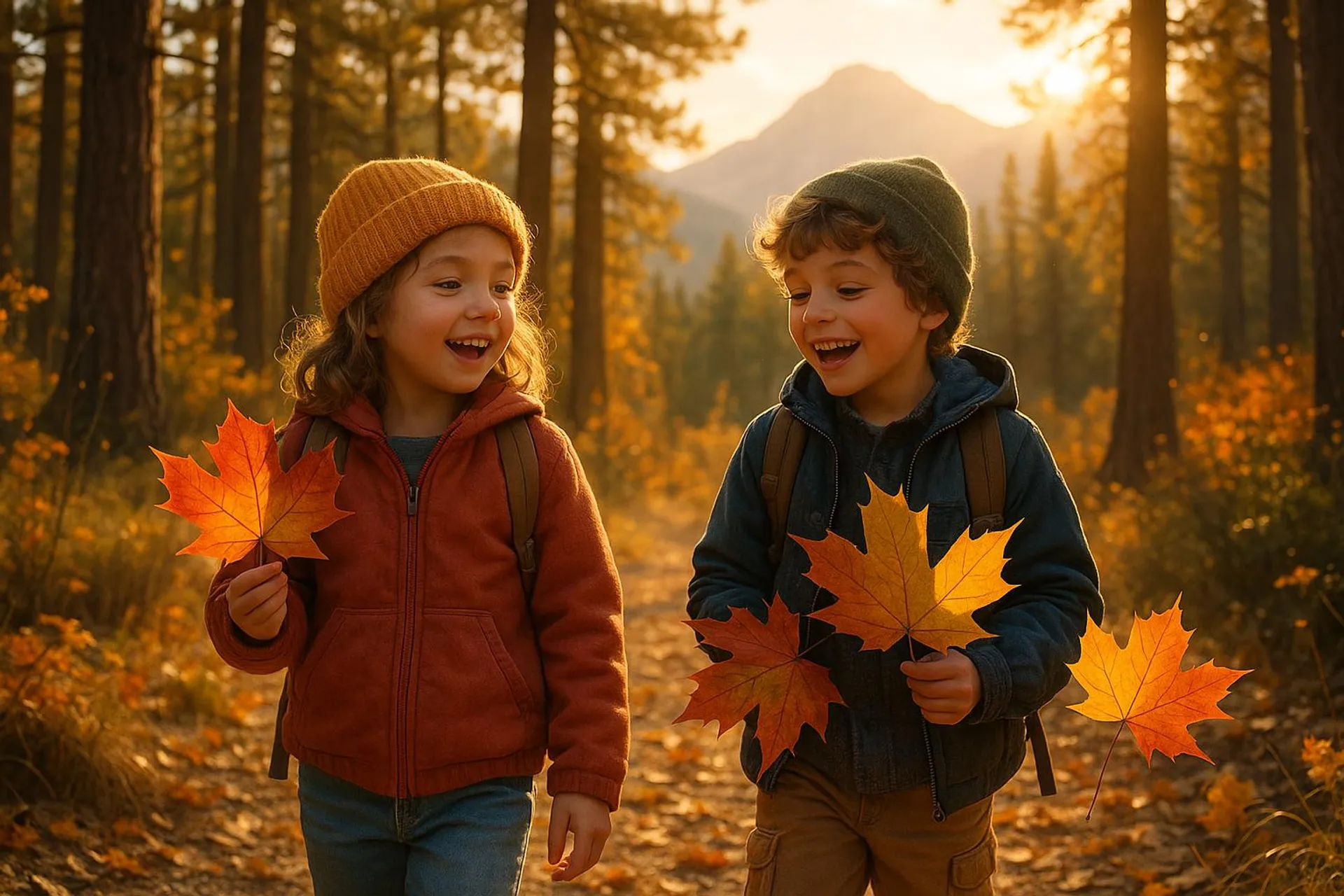
The Mental Health Connection
According to the American Psychological Association, children who regularly practice gratitude show measurably lower levels of stress and depression. This is particularly relevant for High Country families, where access to mental health services may be limited — something we’ve explored in our post on Mental Health Awareness for Kids & Teens in Rural Communities.
Gratitude practices help children develop a positive mindset that serves as a buffer against life’s inevitable challenges. When kids learn to notice and appreciate the good — even during difficult times — they build emotional resilience that will serve them throughout their lives.
Countering Entitlement and Materialism
Many parents worry about raising entitled children who expect everything to be handed to them. Gratitude is the antidote to entitlement. When children genuinely appreciate what they have, they’re less likely to constantly demand more.
This doesn’t mean we can’t give our children nice things or special experiences. It means teaching them to recognize these as gifts rather than rights, and to appreciate the effort, sacrifice, or thoughtfulness behind them.
Strengthening Family Bonds
Research published in the National Institutes of Health database found that families who practice gratitude together experience stronger bonds and better communication. When we create rituals around thankfulness, we create shared moments of reflection and connection that bring families closer together.
The High Country Advantage: Nature as a Gratitude Teacher
Living in the mountains gives us a built-in gratitude curriculum. The natural world offers endless opportunities to practice appreciation and wonder.
The changing seasons teach us that everything has its time and beauty. The vibrant colors of fall, the quiet stillness of winter snow, the renewal of spring, and the abundance of summer — each season offers something to appreciate.
Mountain weather teaches us not to take sunny days for granted. When we’ve been snowed in for days and finally see blue sky, we feel genuine gratitude for good weather in a way that people in more temperate climates might not.
Wildlife encounters — whether it’s deer in the yard, birds at the feeder, or a fox crossing the trail — remind us that we share this beautiful place with other creatures. These moments naturally inspire wonder and thankfulness.
Community interdependence is stronger in rural areas. When neighbors help dig out your driveway after a storm or share vegetables from their garden, children see tangible examples of kindness and generosity to be grateful for.
Daily Gratitude Practices for High Country Families
Gratitude isn’t something we teach in a single conversation — it’s a practice we model and cultivate every day. Here are practical ways to make thankfulness a natural part of your family routine: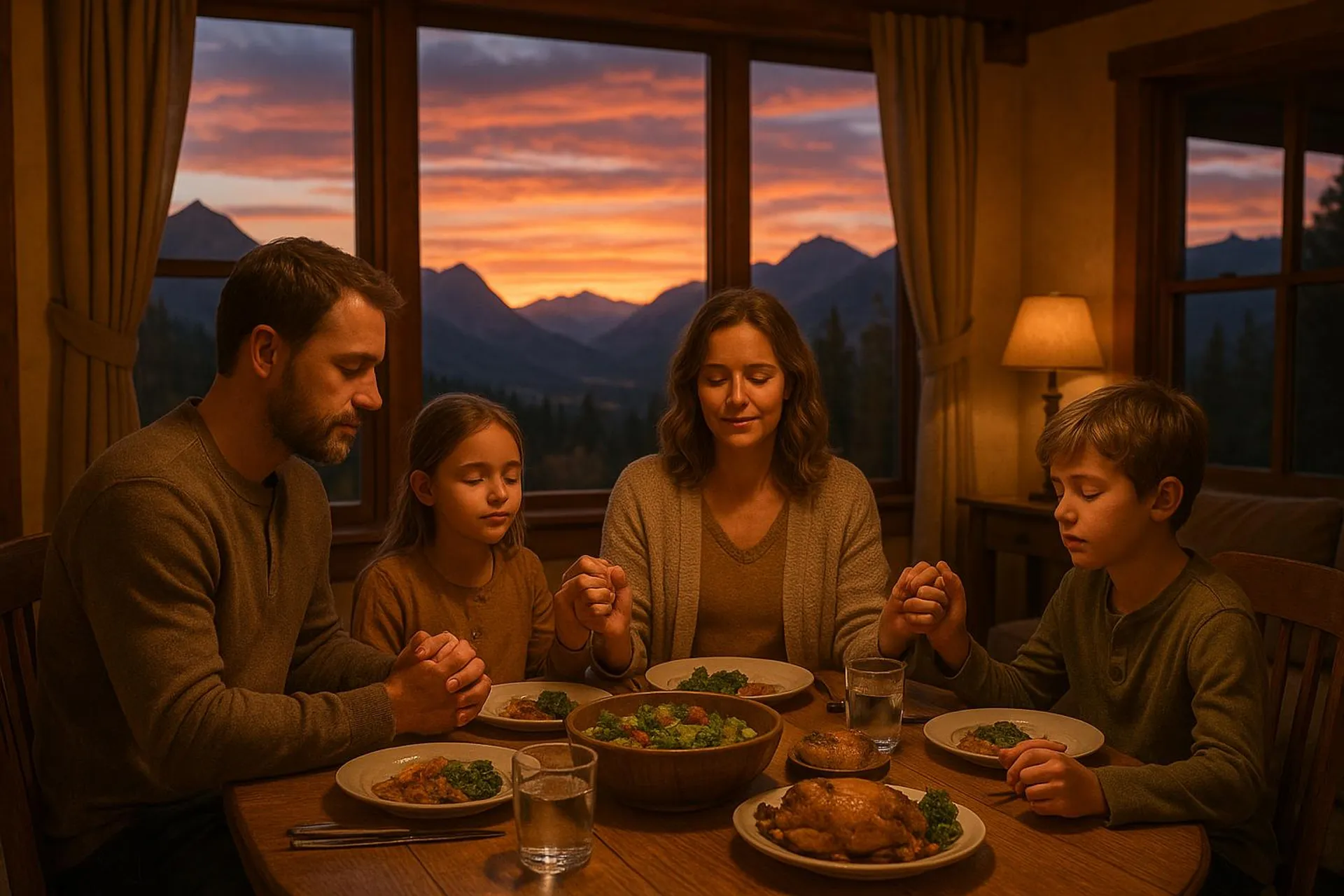
The Dinner Table Gratitude Round
Before or during dinner, have each family member share one thing they’re grateful for from their day. Keep it simple and judgment-free. Younger children might say “my snack” or “playing outside,” and that’s perfect. Older kids and adults can share deeper reflections.
The key is consistency. When this becomes a daily ritual, children internalize the practice of reflecting on the positive aspects of their day.
Bedtime Thankfulness
As part of your bedtime routine, ask your child to name three good things from their day. This practice, supported by research from the American Academy of Pediatrics, helps children end their day on a positive note and can improve sleep quality.
You can adapt this for different ages. Toddlers might just name one thing. Older children can elaborate on why they’re grateful or how it made them feel.
The Family Gratitude Journal
Keep a shared journal where family members can write or draw things they’re thankful for. Leave it somewhere accessible — the kitchen counter, coffee table, or dining room — so anyone can add to it anytime.
Review it together periodically, especially during challenging times. Seeing pages filled with blessings can shift perspective and remind everyone of the good in their lives.
Gratitude Walks in Nature
Take regular walks specifically focused on noticing and appreciating nature. Challenge kids to find five things that make them feel thankful — the sound of a creek, the smell of pine trees, the warmth of sunshine, interesting rocks, beautiful clouds.
This combines the mental health benefits of time outdoors (which we discuss in our post on Ditching the Screens for Summits) with intentional gratitude practice.
Thank You Notes and Verbal Appreciation
When someone does something kind — a teacher helps with a difficult concept, a friend shares a toy, grandparents send a gift, a neighbor plows your driveway — help your child express genuine thanks.
For younger children, this might be a simple verbal “thank you.” Older children can write thank you notes or make thank you drawings. The act of acknowledging kindness reinforces gratitude.
Age-Appropriate Gratitude Activities
Different ages require different approaches to learning gratitude. Here’s how to adapt your practices: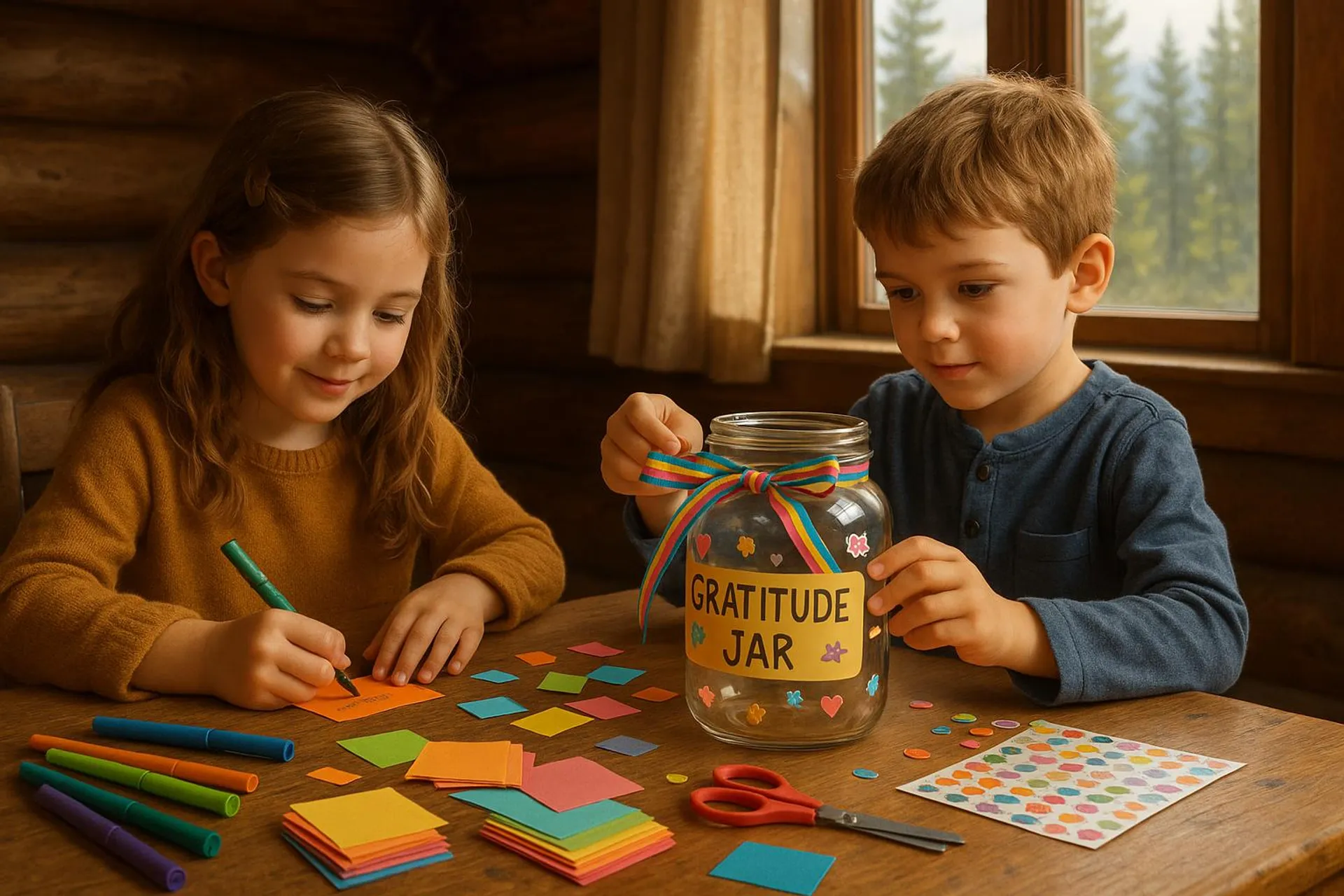
Toddlers and Preschoolers (Ages 2–5)
At this age, gratitude is concrete and immediate. Focus on:
Modeling thankfulness: Say “thank you” often and explain why you’re grateful. “Thank you for helping me pick up the toys. That made cleanup so much faster!”
Gratitude games: “I’m thankful for…” games where you take turns naming things. Keep it fun and playful.
Appreciating nature: Point out beautiful things during walks. “Look at that pretty flower! Aren’t we lucky to see it?”
Simple rituals: A quick “what made you happy today?” at bedtime.
School-Age Children (Ages 6–12)
This age can understand gratitude more deeply and engage in more structured practices:
Gratitude journals: Encourage them to write or draw three things they’re grateful for each day or week.
Thankful jar: Write grateful thoughts on slips of paper and add them to a jar. Read them together at the end of each month or during holidays.
Gratitude scavenger hunts: Create lists of things to find and appreciate — something that makes you laugh, something beautiful in nature, something someone did for you, etc.
Service projects: Help them give back to the community, which builds appreciation for what they have. This connects well with our post on Supporting Local Agriculture.
Deeper conversations: Discuss not just what they’re grateful for, but why and how it makes them feel.
Teenagers (Ages 13+)
Teens can engage with gratitude on a more sophisticated level:
Personal gratitude practice: Encourage them to develop their own practice — journaling, meditation, photography of things they appreciate.
Perspective-taking: Discuss how gratitude relates to privilege, empathy, and social awareness.
Gratitude for challenges: Help them find things to appreciate even in difficult situations — lessons learned, strength discovered, support received.
Authentic expression: Teens are sensitive to anything that feels forced or fake. Keep practices genuine and respect their growing independence.
Seasonal Gratitude Practices for Mountain Living
Each season in the High Country offers unique opportunities for gratitude:
Fall Gratitude
Create a “thankful tree” with paper leaves where family members write what they’re grateful for. Collect actual fall leaves on walks and talk about the beauty of the changing season. As we approach Thanksgiving, make gratitude the focus of family conversations.
Winter Gratitude
Appreciate the beauty of snow, the coziness of home, warm clothes and blankets, hot cocoa, and time together indoors. When you’re preparing for winter — as discussed in our Preparing for Winter in the High Country guide — talk about being grateful for shelter, heat, and safety.
Spring Gratitude
Notice and appreciate signs of renewal — first flowers, returning birds, longer days, warmer weather. Plant a “gratitude garden” where you grow flowers or vegetables while talking about being thankful for growth and new beginnings.
Summer Gratitude
Appreciate outdoor adventures, longer days, time in nature, and family activities. Keep a summer gratitude journal documenting favorite moments, or create a photo collection of things you’re thankful for.
Overcoming Common Challenges
“My child just goes through the motions”
This is normal, especially at first. Keep practices short and genuine. It’s okay if they say “I’m grateful for my bed” every night for a month. Eventually, as the habit forms, deeper appreciation will emerge. Model authentic gratitude yourself — children learn more from what we do than what we say.
“Gratitude feels forced or fake”
If it feels forced, simplify. Instead of formal practices, just notice good things out loud. “Wow, this sunset is beautiful.” “I’m so glad we have this warm house.” “Wasn’t it nice that our neighbor brought us those cookies?” Organic moments of appreciation are more powerful than rigid routines.
“We’re going through a hard time”
Gratitude doesn’t mean ignoring difficulties or pretending everything is fine. It means finding small lights even in dark times. “This is really hard, and I’m grateful we have each other.” “I’m sad about this, and I’m also thankful for…” Both can be true.
Making Gratitude a Family Value
The ultimate goal isn’t perfect gratitude practices — it’s raising children who genuinely notice and appreciate the good in their lives, who recognize the efforts others make on their behalf, and who approach life with thankfulness rather than entitlement.
This happens through consistency, modeling, and creating a family culture where gratitude is woven into daily life. It happens when we notice the mountain sunrise and say “aren’t we lucky to live here?” It happens when we acknowledge the hard work that goes into our meals, our home, our opportunities. It happens when we teach our children that happiness isn’t about having everything — it’s about appreciating what we have.
In the High Country, we’re surrounded by reminders of beauty, community, and the simple gifts of mountain life. When we teach our children to see these blessings — not just with their eyes, but with grateful hearts — we give them a foundation for lifelong well-being and joy.
The mountains teach us many lessons. Perhaps one of the most important is this: there is always something to be grateful for, if we take the time to notice.