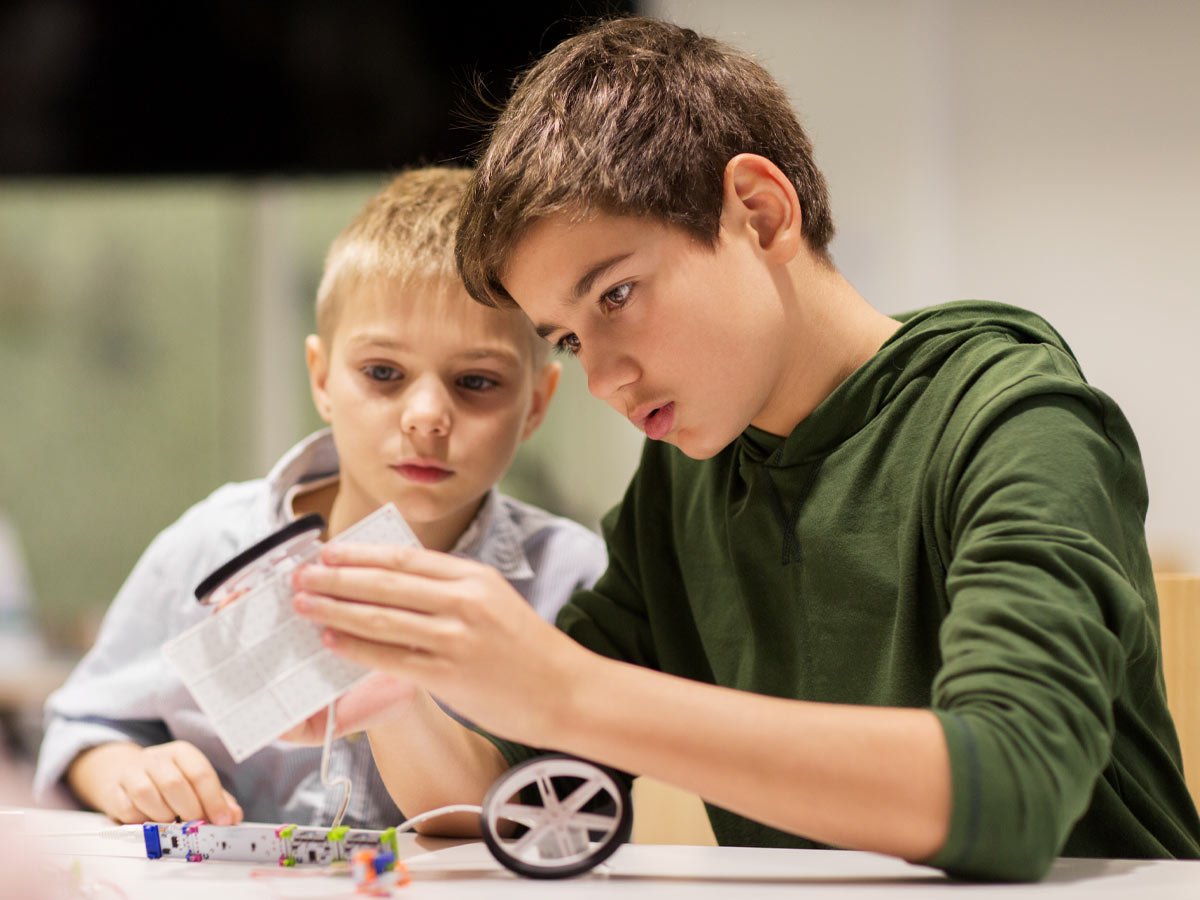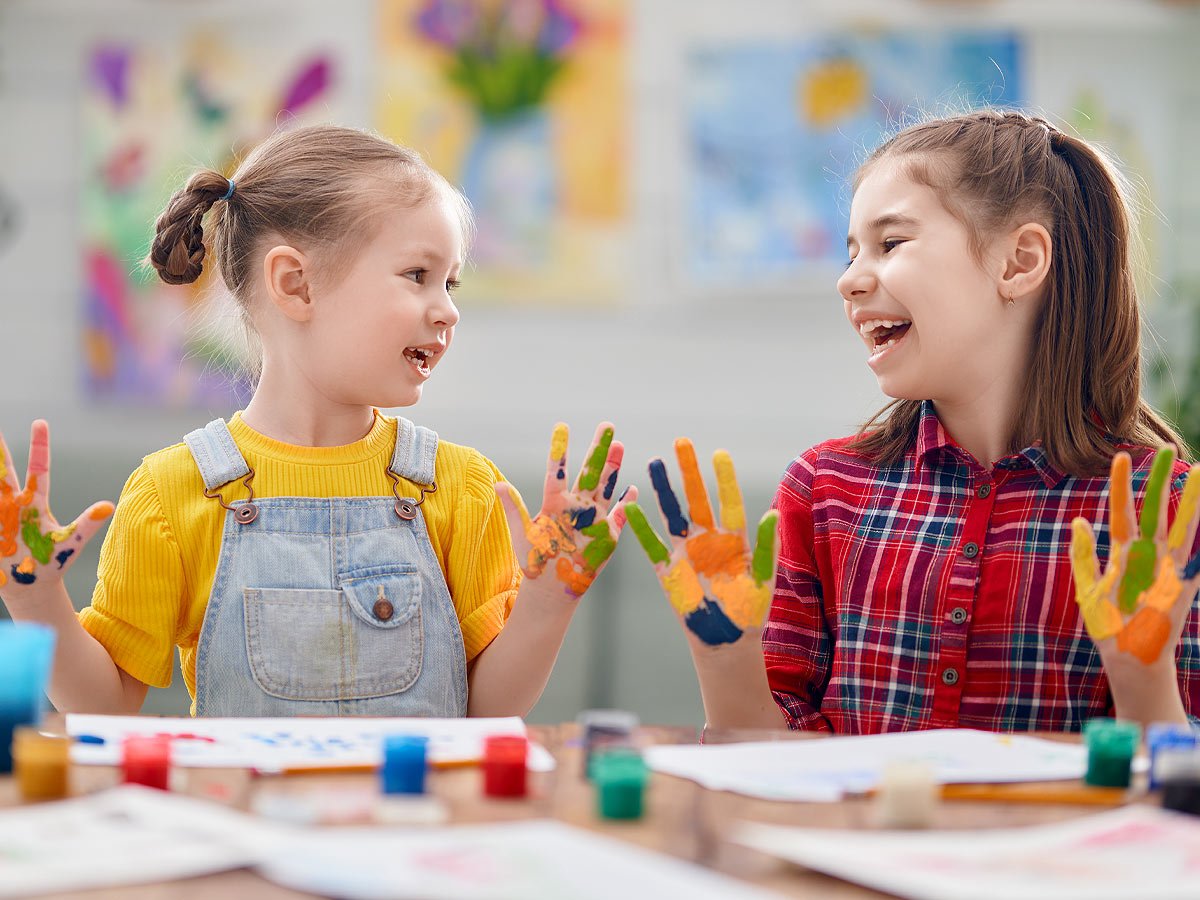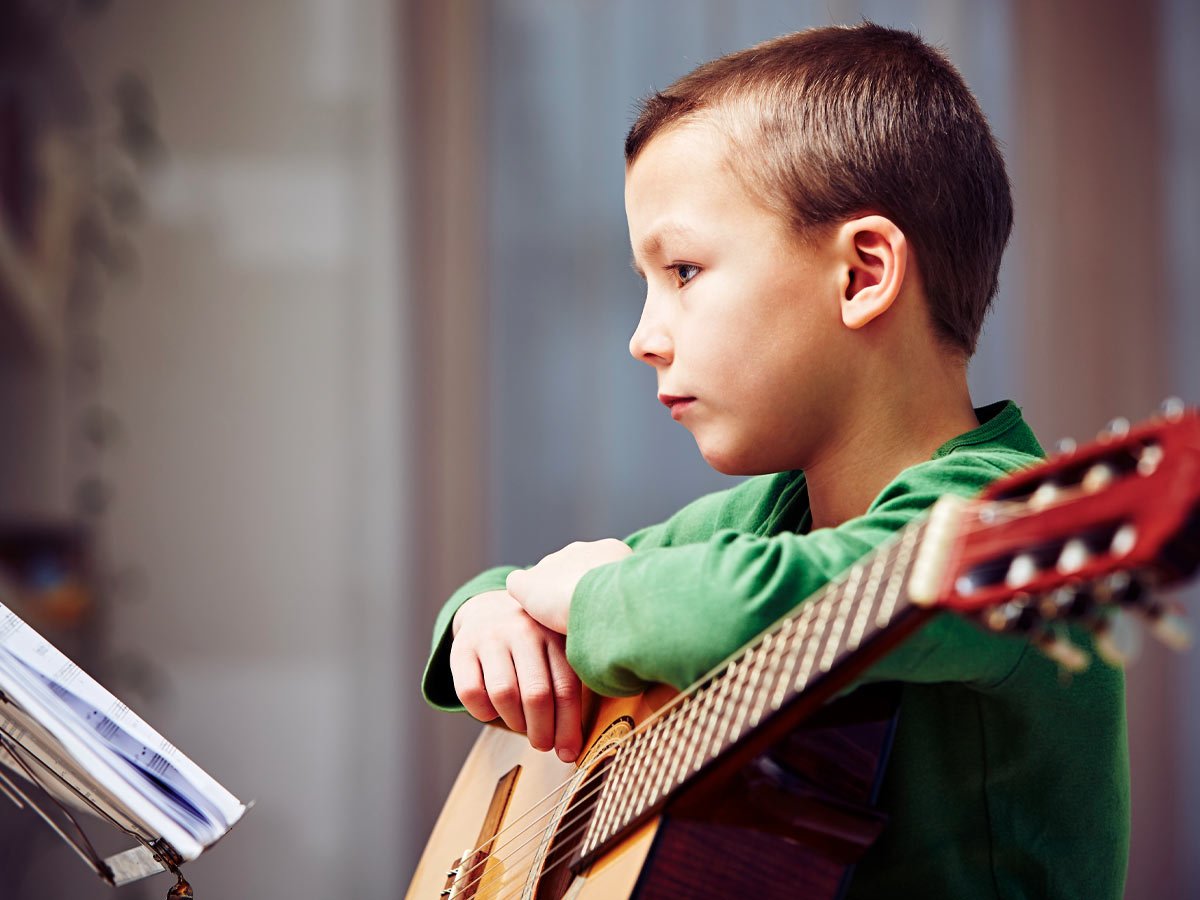
First steps. First words. First day of school. We have built entire rituals around the big moments in childhood — the ones that get photographed, framed, and announced in group chats. And those moments are worth celebrating. But somewhere in our focus on the landmarks, we have been missing something equally important happening every single day: the small, quiet victories that nobody puts on a cake.
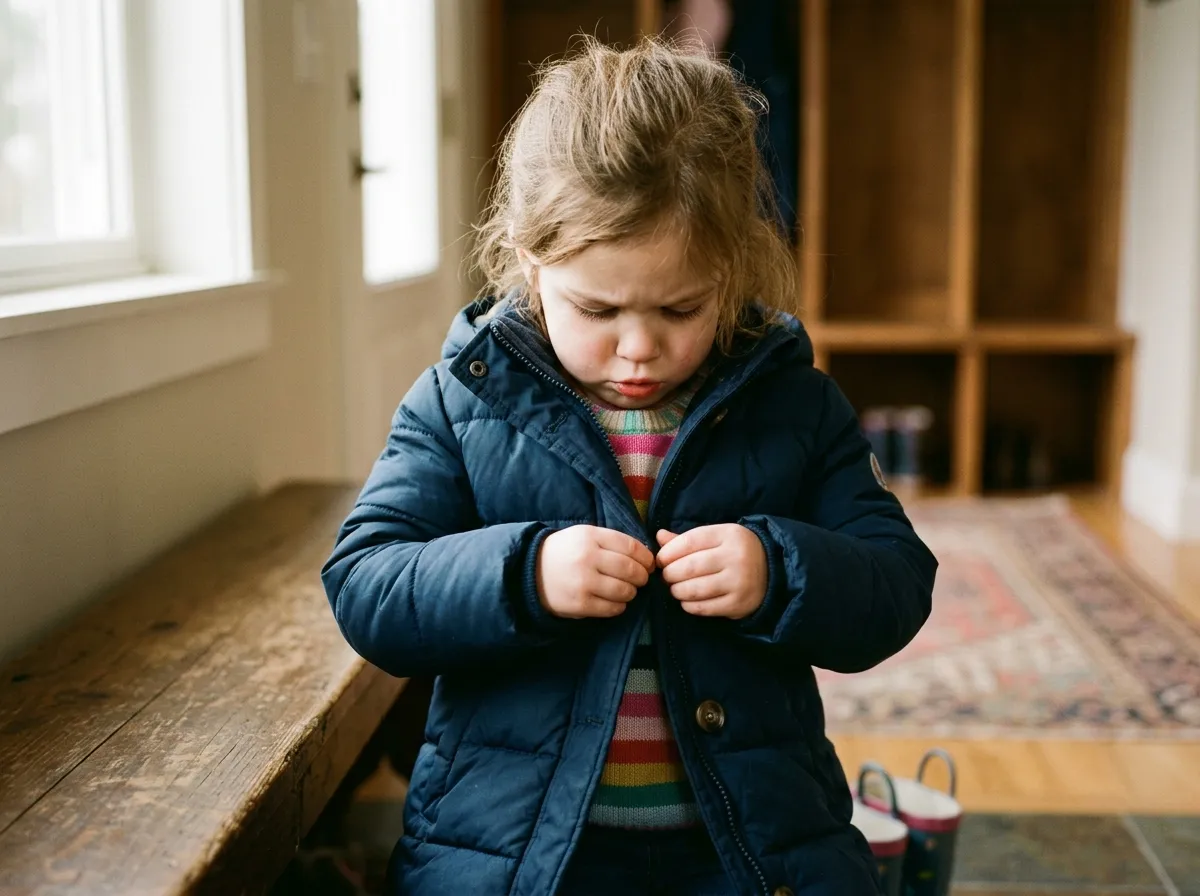
Your child tied their own shoes for the first time this morning. They remembered to put their plate in the dishwasher without being asked. They said sorry to their sibling and actually meant it. They read a whole page without stopping to ask for help. None of these moments will go in the baby book. But every single one of them is building the foundation of who your child is becoming.
In 2026, parents and researchers alike have given a name to this shift in thinking: minorstones. And the growing body of evidence behind why they matter is giving families a compelling reason to start paying attention.
What Minorstones Actually Are
The term “minorstones” was identified by global trend forecaster WGSN as one of the defining consumer and cultural shifts of 2026. At its core, it describes a movement away from measuring life — and growth — only by traditional, socially recognized milestones, and toward celebrating the smaller, more personal, more everyday achievements that actually make up the texture of a well-lived life.
In the parenting context, minorstones are the micro-achievements that mark real developmental progress but rarely get the recognition they deserve. Rather than chasing big milestones or curated aesthetics, parents are celebrating small, everyday wins. Parenting in 2026 is increasingly about intention, presence, and valuing the process rather than just the outcomes. These micro-milestones are recognized as essential building blocks for a child’s emotional and cognitive development — not footnotes between the important events, but the events themselves.
This is not about participation trophies or hollow praise for everything a child does. It is about intentional noticing — pausing long enough to acknowledge the genuine effort, growth, and small courage that children demonstrate every single day, often without anyone remarking on it at all.
Why Small Wins Matter More Than We Realized
The research on celebrating small wins is surprisingly robust — and it points in a clear direction. Kids First Services explains it clearly: when parents and caregivers acknowledge even minor achievements, children feel seen and valued, which builds confidence and self-esteem and encourages them to keep trying and learning. Positive feedback loops foster motivation and reinforce effort rather than just outcomes — a distinction that matters enormously for how children approach challenges throughout their lives.
The Connection Between Small Wins and Resilience
Children who are regularly acknowledged for incremental progress develop a fundamentally different relationship with difficulty than children who only receive recognition for large, obvious achievements. When a child learns that effort itself is worth noticing — that the attempt, the persistence, the small step forward matters — they become more willing to try hard things. They develop what researchers call a growth mindset: the understanding that ability is not fixed and that progress, however incremental, is always possible.
By contrast, when children only receive recognition at major milestones, the gaps between those moments can feel like failure. The child who struggled through reading for six months before it clicked may feel invisible during that whole journey — even though the struggle itself was doing the most important developmental work. Minorstones close that gap by making the journey, not just the destination, worth acknowledging.
The Science of Motivation
Research consistently shows that celebrating small wins is essential for maintaining motivation and improving overall life satisfaction. When people — children and adults alike — celebrate their achievements, they are more likely to remain motivated and pursue additional goals, creating a positive feedback loop of success and satisfaction. Skipping over small wins by moving immediately to the next challenge, without acknowledgment, is linked to diminished motivation, burnout, and apathy. In children, this plays out as discouragement — the sense that nothing they do is quite enough, quite right, quite worth noticing.
Gratitude and the Minorstone Mindset
The minorstones approach is deeply connected to gratitude research. The American Psychological Association’s guidance on cultivating gratitude in children emphasizes that one of the best ways to help children develop a grateful, positive orientation toward life is to help them notice and appreciate small moments of joy and progress — not just the obvious gifts and big events. Grateful parents tend to raise grateful kids. The habit of noticing what is going well, in small and ordinary ways, is both modeled and caught.
What Minorstones Look Like by Age
One of the most useful things about the minorstone framework is how naturally it scales across childhood. Every age has its own version of small-but-significant wins worth naming out loud.
Toddlers and Preschoolers (Ages 2 to 5)
At this age, almost everything is a minorstone because almost everything is genuinely new. Putting on their own shoes — even if the feet are wrong. Waiting for their turn without melting down. Saying “I’m sorry” for the first time and meaning it. Pouring their own water without spilling. These are moments of genuine independence and emotional development unfolding in real time. Naming them — “You waited so patiently. That was really hard and you did it.” — teaches children that you are watching, that effort matters, and that growth is something to feel good about.
Early Elementary (Ages 6 to 9)
School-age children face a world of daily small challenges — social ones, academic ones, physical ones. Reading a page without stopping to ask for help. Raising their hand even though they were not sure of the answer. Sticking with a puzzle until it was finished. Apologizing to a friend without being prompted. These moments deserve acknowledgment that goes beyond a generic “good job.” Be specific: “I noticed you kept going on that math problem even when it was hard. That’s exactly the kind of persistence that makes things click.”
Tweens (Ages 10 to 13)
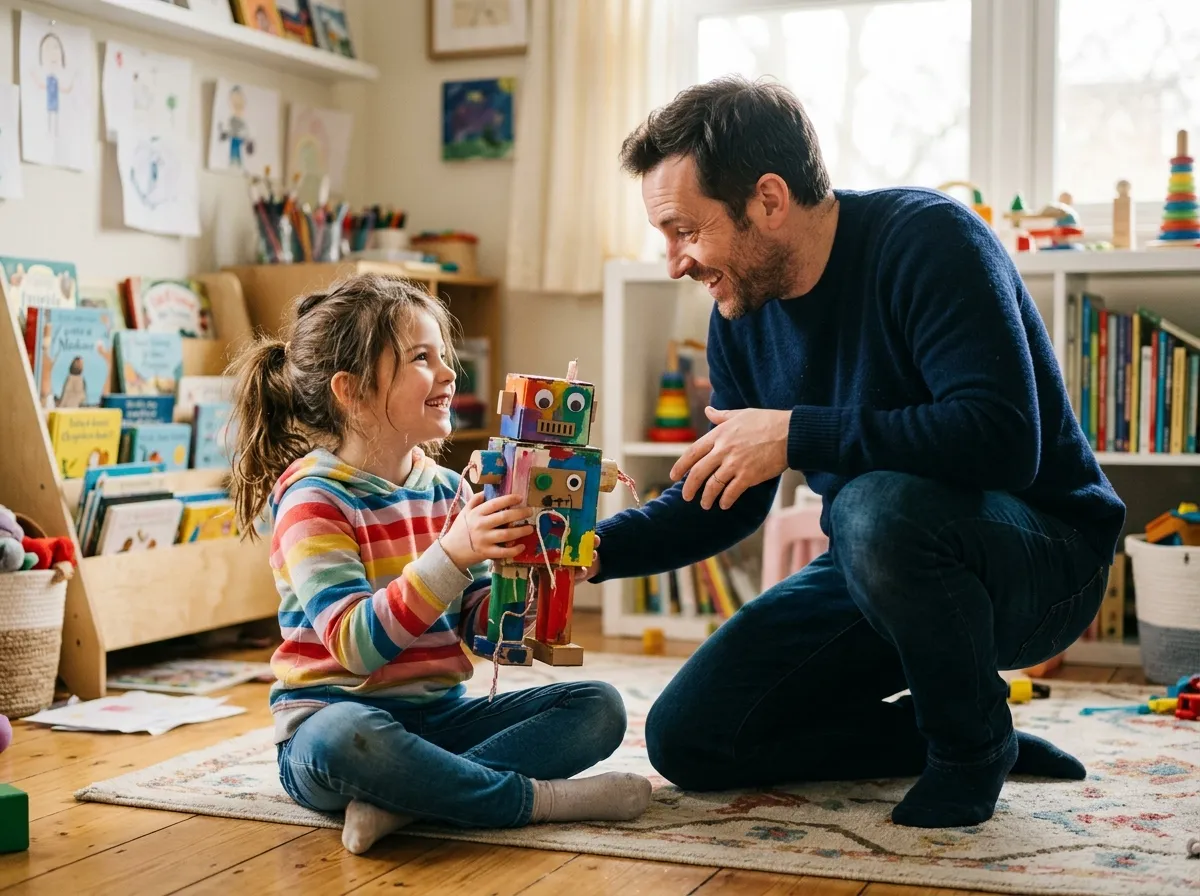
Tweens are at an age where they are acutely aware of their own competence — and incompetence — compared to peers. Small wins at this stage carry particular weight because the internal critic has gotten loud. Finishing a creative project they almost gave up on. Handling a social conflict with more maturity than they managed last time. Trying something new in front of others. Speaking up when they disagreed. These minorstones are the building blocks of the self-efficacy that will carry them through the harder challenges ahead.
How to Celebrate Minorstones Without Overcomplicating It
The beauty of the minorstone approach is that it does not require grand gestures, elaborate planning, or a Pinterest board. The celebration itself is almost never the point — the noticing is. Here are simple ways to build minorstone recognition into your family’s everyday rhythms.
Name It Out Loud
The most powerful thing you can do costs nothing and takes seconds: say what you saw, specifically and sincerely. Not “good job” — which is vague and quickly tuned out — but “I saw you go back and fix your mistake without anyone asking you to. That’s a big deal.” Specific, genuine acknowledgment lands differently. It tells a child that you were actually paying attention, and that what you saw mattered.
Create Low-Key Rituals
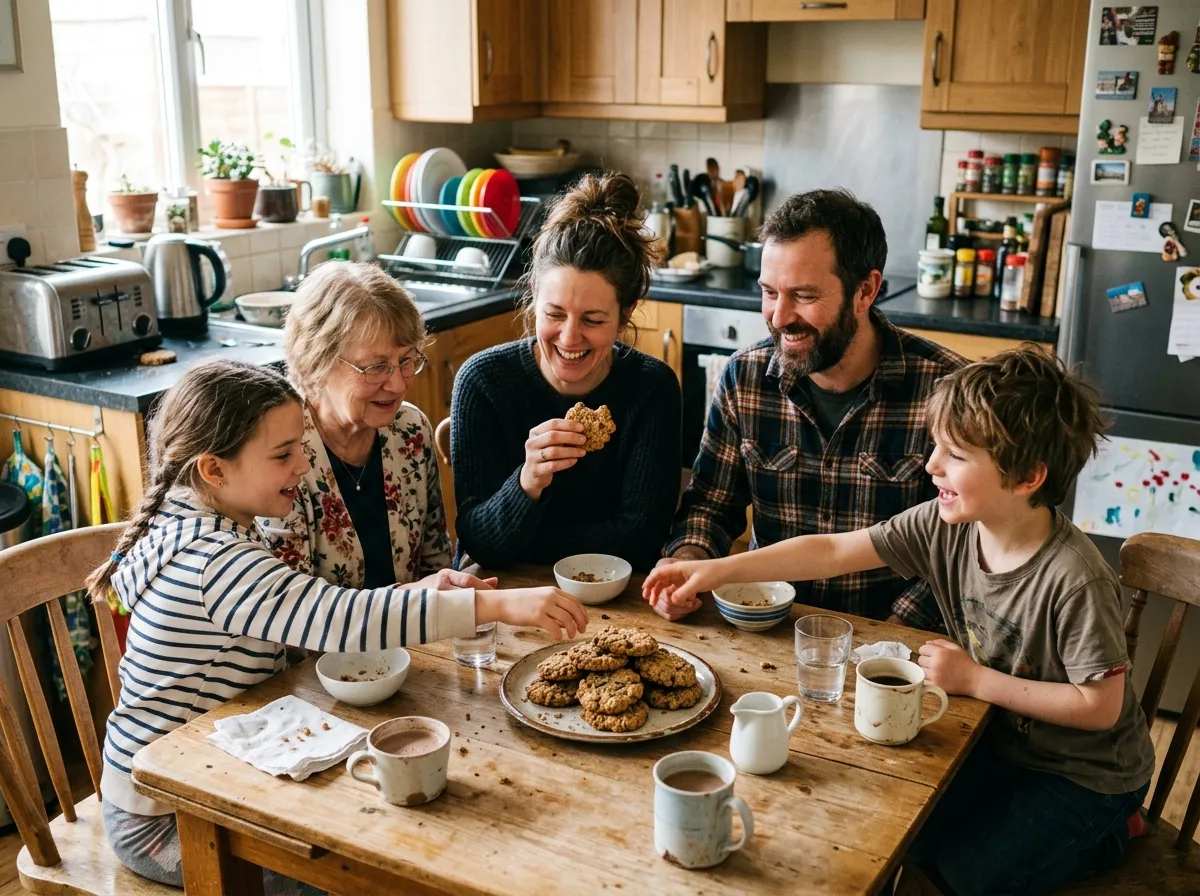
Some families have found that simple, recurring rituals help make minorstone noticing a regular family practice. A “wins of the week” share at Sunday dinner. A small sticky note on the fridge when someone does something worth marking. A special breakfast on the morning after a hard week of effort. None of these need to be elaborate. The ritual is a container for the attention — a signal that this family pauses to notice what is going well, not just what needs to be corrected.
Let the Child Define the Win
One of the most meaningful aspects of the minorstone approach is inviting children to name their own wins. Asking “What’s something you did this week that felt hard but you did it anyway?” teaches children to develop their own internal sense of accomplishment — the ability to recognize their own progress without needing external validation to feel it. That internal recognition is one of the most durable gifts a childhood can produce.
Celebrate Parenting Minorstones Too
The minorstones trend applies to parents as much as to children. Celebrating your parenting minorstones as well — such as the first time you managed to stay calm during a meltdown, or the morning everyone got out the door without a single argument — are equally worth marking. Modeling self-acknowledgment — letting your children see you recognize your own small wins and growth — is one of the most powerful ways to teach them to do the same.
If you are also working on building more connection and intentional presence into your family’s daily life, our post on hybrid parenting and what it actually looks like day to day explores how staying present and responsive — rather than perfect — is the real foundation of a strong parent-child relationship.
The High Country Mindset Fits Perfectly
There is something about life in the High Country that already leans toward the minorstone way of thinking — even if we have not always called it that. We are a community that values the quality of a Tuesday evening over the performance of a perfectly curated weekend. We notice the first frost on the mountains and the first wildflower in the spring. We understand, perhaps more instinctively than most, that the small and ordinary moments carry a weight that the big and obvious ones sometimes cannot.
Bringing that same sensibility to how we parent — slowing down enough to notice when our child does something quietly brave, genuinely kind, or unexpectedly patient — is not a parenting trend to adopt. It is a value to remember.
And for days when the weight of parenting feels heavier than it should, when the burnout is real and the patience is thin, remembering to notice what your child is getting right — in the small ways, in the ordinary moments — can shift something. Not everything. But something. Our post on recognizing and recovering from mom burnout speaks directly to that tension, and to how presence — not perfection — is the thing that matters most.
Start Noticing — Starting Today
You do not need a new parenting framework. You do not need a journal or an app or a weekly ritual. You need to look at your child today — really look — and find one thing they did that was a little bit hard, a little bit brave, a little bit better than last time. And then say so. Out loud. Specifically. Sincerely.
That is the whole practice. And over days and weeks and years, it builds something in a child that no big milestone celebration can replicate: the deep, settled sense that they are seen, that their effort matters, and that growth — even the quiet, unglamorous, everyday kind — is always worth something.
In the mountains, we know that the most beautiful views are rarely the ones that show up on maps. They are the ones you stumble onto on an ordinary afternoon, when you were not expecting anything at all. Childhood works the same way. The most important moments are almost never the ones we planned for.