If you’ve noticed your child struggling more with worry, fear, or stress lately, you’re not alone. Across the country, parents are watching their children battle anxiety at rates we’ve never seen before — and the numbers tell a sobering story. Emergency room visits for pediatric mental health concerns have approximately doubled over the past decade, with childhood anxiety and depression leading the surge. As parents in the High Country, we often pride ourselves on raising resilient kids surrounded by nature and close-knit communities. But even here, our children aren’t immune to the mental health challenges affecting young people everywhere. Understanding what’s happening — and more importantly, what we can do about it — has never been more critical.
The Alarming Rise in Pediatric Mental Health Emergencies
The statistics paint a concerning picture of children’s mental health in America. According to research published in JAMA Pediatrics, pediatric mental health-related emergency department visits increased from 7.7% of all pediatric ER visits in 2011 to 13.1% by 2020. That represents millions more children and families facing mental health crises serious enough to require emergency care. The American Academy of Pediatrics, along with the American Academy of Child and Adolescent Psychiatry and the Children’s Hospital Association, took the unprecedented step of declaring a national emergency in child and adolescent mental health in 2021. This declaration acknowledged what many parents had already witnessed firsthand — our kids are struggling, and the traditional healthcare system isn’t equipped to handle the volume of young people in crisis. Among the most common diagnoses driving these emergency visits are depression, anxiety, ADHD, and severe stress reactions. Perhaps most alarming is the dramatic increase in youth presenting with suicidal thoughts or self-harm behaviors. These aren’t just statistics — they represent real children and terrified parents seeking help during their darkest moments.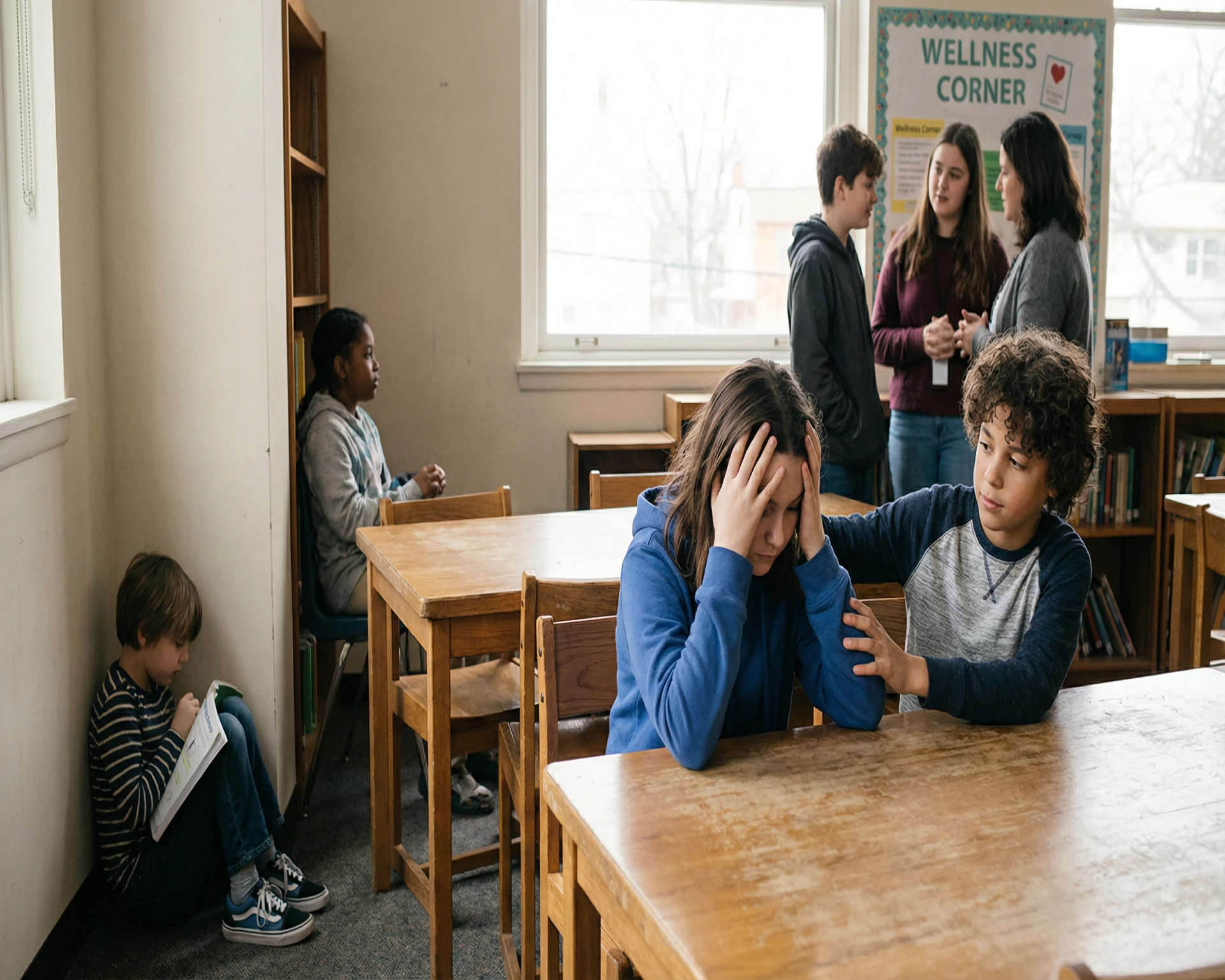
Understanding Childhood Anxiety
Before we can help our children, we need to understand what we’re dealing with. Anxiety in children looks different than it does in adults, and recognizing the signs early can make all the difference in getting your child the support they need.
What Childhood Anxiety Actually Looks Like
According to the Centers for Disease Control and Prevention, approximately 11% of children ages 3-17 have been diagnosed with anxiety. However, many experts believe the actual numbers are higher since anxiety often goes unrecognized, particularly in children who are quiet or eager to please. Children with anxiety may not be able to articulate that they feel worried or scared. Instead, their anxiety often manifests through physical complaints like stomachaches or headaches, difficulty sleeping, irritability, clinginess, or refusing to participate in activities they once enjoyed. Younger children might have frequent tantrums or meltdowns that seem out of proportion to the situation, while older children and teens might withdraw socially or struggle to concentrate in school.
Types of Anxiety Disorders in Children
Anxiety isn’t a one-size-fits-all condition. Children can experience several different types of anxiety disorders, each with its own characteristics. Separation anxiety disorder involves excessive fear about being away from parents or caregivers, going beyond what’s typical for a child’s age. Social anxiety disorder causes intense self-consciousness and fear of embarrassment in social situations, sometimes to the point where children avoid speaking in class or participating in group activities. Generalized anxiety disorder involves persistent worry about many different things — homework, health, making mistakes, world events — that interferes with daily functioning. Some children experience panic disorder, characterized by sudden, intense episodes of fear accompanied by physical symptoms like a racing heart, difficulty breathing, or feeling frozen.
Why Are More Children Struggling?
Understanding the factors contributing to rising childhood anxiety can help us address the root causes rather than just the symptoms. While there’s no single explanation, several interconnected factors appear to be at play.
The Impact of Modern Life on Young Minds
Today’s children face pressures that previous generations didn’t encounter. Academic expectations start earlier and intensify faster. Social media exposes young people to constant comparison, cyberbullying, and a 24/7 news cycle filled with frightening events. Many children have overscheduled lives with little downtime for unstructured play and processing their emotions. Family stress also plays a significant role. Economic pressures, parental anxiety, divorce, and family instability can all contribute to a child’s mental health challenges. Children are remarkably perceptive — they pick up on the stress and worries of the adults around them, even when we try to shield them.
The Pandemic’s Lasting Effects
The COVID-19 pandemic dealt a significant blow to children’s mental health. Research shows that the global prevalence of pediatric depression and anxiety doubled compared to pre-pandemic levels. School closures, social isolation, disrupted routines, family illness and loss, and economic hardship created a perfect storm of stressors for young people during critical developmental years. While we’ve moved past the acute phase of the pandemic, many children are still processing those experiences. The mental health effects continue to ripple through our communities, and the healthcare system is struggling to meet the increased demand for services. 
Recognizing Warning Signs in Your Child
Early intervention makes a tremendous difference in treating childhood anxiety. The sooner we recognize that a child is struggling, the sooner we can provide support and prevent the anxiety from becoming more severe or leading to other problems.
Physical Symptoms to Watch For
Anxiety often shows up in the body before children can express it in words. Frequent complaints of stomachaches or headaches — especially before school or social events — can signal anxiety. Changes in eating habits, difficulty falling asleep or staying asleep, fatigue, and physical restlessness are also common. Some children may experience shortness of breath, sweating, trembling, or a racing heart, particularly during anxiety-provoking situations.
Behavioral and Emotional Red Flags
Pay attention to changes in your child’s behavior. Avoidance is a hallmark of anxiety — if your child suddenly refuses to do things they used to enjoy, resists going to school, or avoids social situations, anxiety might be the culprit. Excessive clinginess, frequent meltdowns, perfectionism, constant seeking of reassurance, and difficulty concentrating can all indicate underlying anxiety. The Child Mind Institute emphasizes that anxiety symptoms often look different depending on the child’s age and temperament. Some anxious children act out or become irritable, which can be mistaken for oppositional behavior when the child is actually struggling to cope with overwhelming worry.
Strategies Parents Can Use at Home
While professional help is sometimes necessary, there’s a great deal parents can do at home to support an anxious child. These strategies won’t eliminate anxiety entirely — and that’s not the goal. Instead, we want to help our children learn to manage their anxiety so it doesn’t control their lives.
Creating a Foundation of Support
The American Academy of Pediatrics recommends several foundational practices for supporting children with anxiety. Set aside dedicated one-on-one time with your child every day — even just 10 minutes of focused attention can strengthen your connection and give your child opportunities to share their worries. Ensure your child gets adequate sleep, regular physical activity, and nutritious meals. These basic needs significantly impact mental health. Create a safe, supportive environment where your child knows they can talk about their feelings without judgment. Praise your child for facing their fears and acknowledge when they’re working hard, even if the outcome isn’t perfect.
Teaching Coping Skills
One of the most valuable things you can do is teach your child concrete strategies for managing anxious feelings. Deep breathing exercises help activate the body’s relaxation response — practice “breathing the rainbow” by having your child take slow, deep breaths while thinking about their favorite things associated with each color. Help your child identify and challenge anxious thoughts. When they express worry, gently help them examine whether their fears are realistic and what evidence supports or contradicts those fears. Teach them to “talk back” to their worry brain by saying things like, “I know you’re trying to protect me, but I can handle this.” Creating a “worry time” can be helpful for children who ruminate excessively. Designate a specific short period each day when your child can share their worries with you, then encourage them to set those worries aside until the next worry time. Some children benefit from writing their worries down and putting them in a “worry box” as a way to externalize and contain their anxious thoughts.
What Not to Do
Well-meaning parents sometimes inadvertently make anxiety worse. Avoid rushing to eliminate everything that makes your child anxious — while this provides short-term relief, it teaches children that they can’t handle uncomfortable situations and reinforces avoidance patterns. Instead, help your child face their fears gradually while providing support and encouragement. Don’t dismiss or minimize your child’s feelings with phrases like “there’s nothing to worry about” or “you’re making a big deal out of nothing.” These responses, though intended to reassure, can make children feel misunderstood and ashamed of their anxiety. Validate their feelings first, then help them work through the fear. 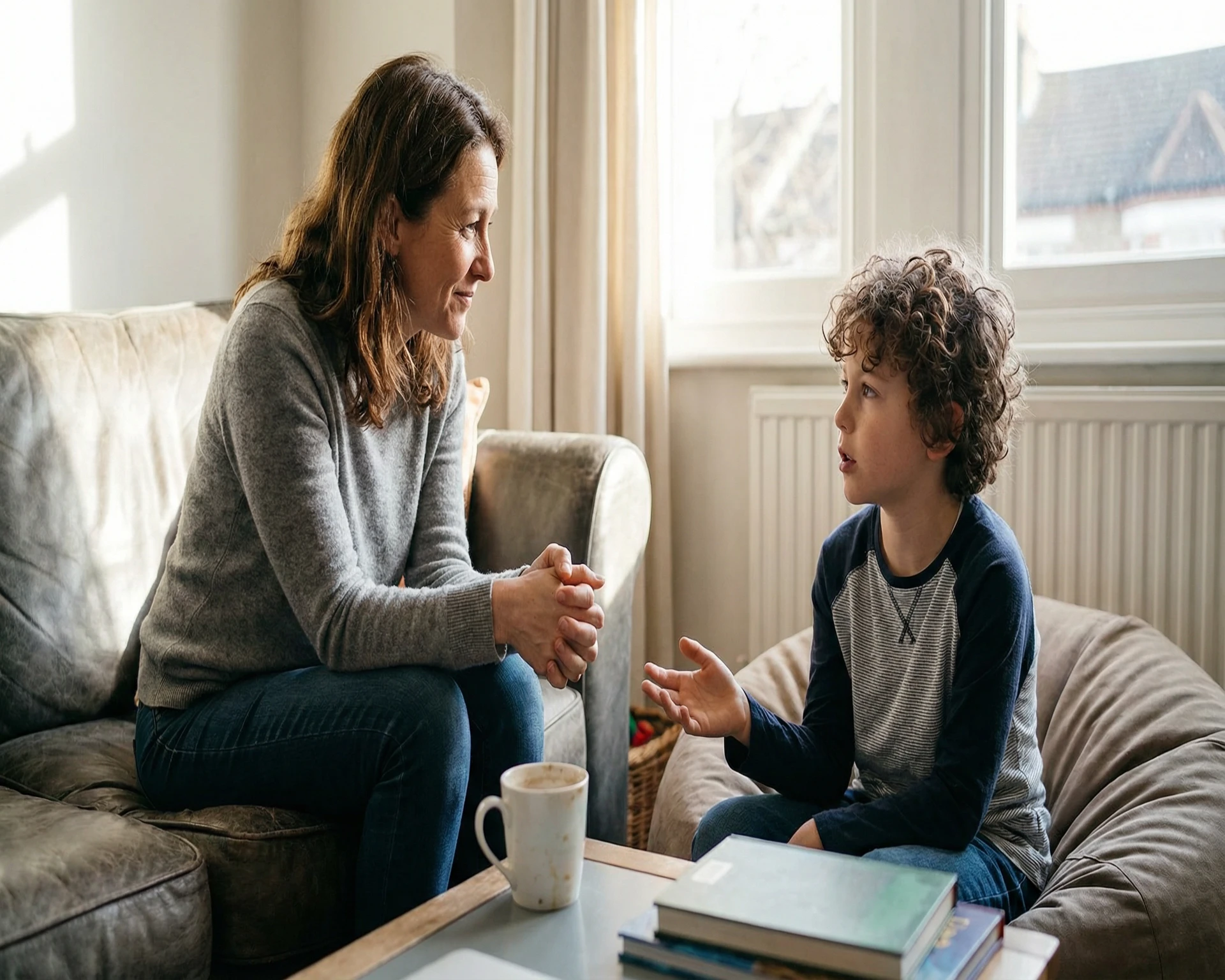
When to Seek Professional Help
While many children can learn to manage anxiety with parental support and coping strategies, some need additional help from mental health professionals. Knowing when to seek that help is crucial.
Signs That Professional Support Is Needed
Consider reaching out to your pediatrician or a mental health professional if your child’s anxiety persists for weeks without improvement, interferes significantly with daily activities like school attendance or friendships, causes frequent physical symptoms, or seems to be getting worse despite your efforts to help. If your child expresses thoughts of self-harm or suicide, seek help immediately. The U.S. Preventive Services Task Force now recommends anxiety screening for all children ages 8-18, recognizing how common and treatable these conditions are when caught early.
What Treatment Looks Like
The good news is that childhood anxiety responds well to treatment. Cognitive-behavioral therapy (CBT) is particularly effective, helping children understand the connection between their thoughts, feelings, and behaviors while teaching them practical coping skills. Exposure therapy, which involves gradually facing feared situations in a safe, controlled way, helps children learn that their fears don’t come true and that they can handle uncomfortable feelings. For some children, medication may be recommended alongside therapy. A child psychiatrist can help determine whether medication might benefit your child and monitor their response carefully.
Supporting Your Child’s Mental Health Every Day
Beyond addressing anxiety directly, there are many ways to promote positive mental health in your children. Build strong connections through regular family time and activities. As High Country families, we have incredible opportunities to spend time outdoors together, which research consistently shows benefits mental health. Model healthy ways of handling stress and anxiety. Children learn by watching us — when you face your own worries, talk through your coping strategies out loud so your child can learn from your example. Take care of your own mental health, too. Parenting an anxious child is stressful, and seeking support for yourself isn’t selfish — it’s essential. Foster resilience by allowing your children to experience and overcome age-appropriate challenges. Resist the urge to smooth every path for them. When they struggle and succeed, they build confidence in their ability to handle difficult situations. Practicing gratitude together as a family can also shift focus from worries to appreciation, helping children develop a more balanced perspective.
Moving Forward Together
The doubling of emergency room visits for pediatric mental health is a wake-up call for all of us. Our children are struggling, and they need us to pay attention, take their concerns seriously, and equip them with the tools they need to thrive. Remember that seeking help is a sign of strength, not weakness. If your child is struggling with anxiety, you’re not alone, and neither are they. With understanding, support, and appropriate intervention when needed, anxious children can learn to manage their worries and live full, happy lives. As parents in the High Country, we have the advantage of community, natural beauty, and a slower pace of life that can support our children’s mental wellbeing. Let’s use those resources wisely while also being vigilant about our kids’ emotional health. Together, we can help turn this mental health crisis around — one child, one family, one conversation at a time.