Walk into any child’s room today, and you’ll likely find overflowing toy boxes, shelves packed with books they’ve never read, and closets bursting with clothes they’ve outgrown. Yet ask that same child about their favorite memory, and they’ll probably describe a camping trip, the day they learned to ski, or that hike where they saw a deer up close. This disconnect reveals a powerful truth: experiences shape our children far more profoundly than possessions ever could.
Experiential parenting — the practice of prioritizing adventures and shared activities over material gifts — is transforming how High Country families approach childhood. And the timing couldn’t be better. As our world becomes increasingly digital and consumer-driven, mountain communities offer the perfect environment for raising children who value experiences, relationships, and the natural world above accumulating things.
The Science Behind Experiential Parenting
Research consistently demonstrates that experiential gifts create deeper, longer-lasting happiness than material possessions. While a new toy might provide a brief spike of excitement, studies show that anticipating, experiencing, and reminiscing about adventures produces sustained joy that actually strengthens over time.
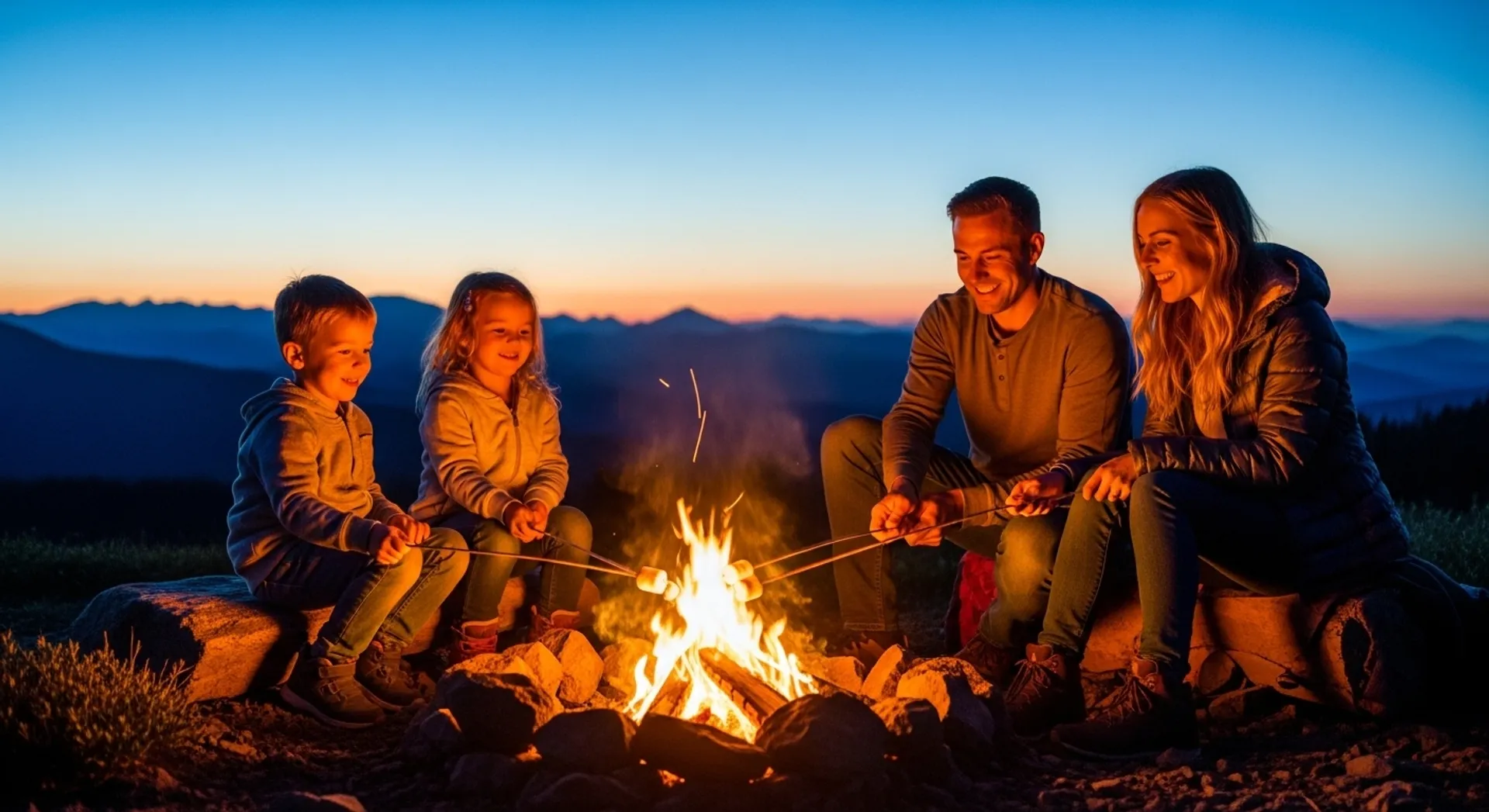
Psychology research reveals that experiences become part of our identity in ways that possessions simply cannot. Your child might forget about the tablet they received for their birthday, but they’ll remember forever the family backpacking trip where they roasted marshmallows under the stars and heard their first coyote howl.
Experiential parenting also builds crucial life skills. When children navigate trails, solve problems outdoors, and work together as a family to set up camp or reach a summit, they develop resilience, confidence, and emotional regulation. These aren’t skills you can buy in a store — they’re earned through real-world experiences in nature.
Building Stronger Family Bonds
Shared adventures create what researchers call “collective memory” — stories that bind families together across generations. When you choose experiences over toys, you’re investing in relationship capital that pays dividends throughout your children’s lives. The inside jokes, the “remember when” stories, and the shared sense of accomplishment become the foundation of strong family identity.
Mountain living naturally facilitates this bonding. Every season brings new opportunities for shared adventures, from spring wildflower hikes to summer swimming holes, autumn leaf collecting to winter sledding. As we’ve discussed in our gratitude practice post, these experiences teach children to appreciate the abundance of nature rather than constantly craving more stuff.
Making the Shift to Experiential Gifts
Transitioning to experiential parenting doesn’t mean eliminating all toys or never buying your children anything. Instead, it’s about being intentional with your resources — choosing to invest more heavily in creating memories than accumulating possessions. Here’s how High Country families are successfully making this shift.
Start With Birthday and Holiday Traditions
Instead of throwing elaborate parties with mountains of presents, consider establishing new traditions centered on experiences. For birthdays, let your child choose a special adventure: a day trip to a nearby state park, tickets to a nature center, an afternoon of rock climbing at a local gym, or a camping trip with their closest friends.
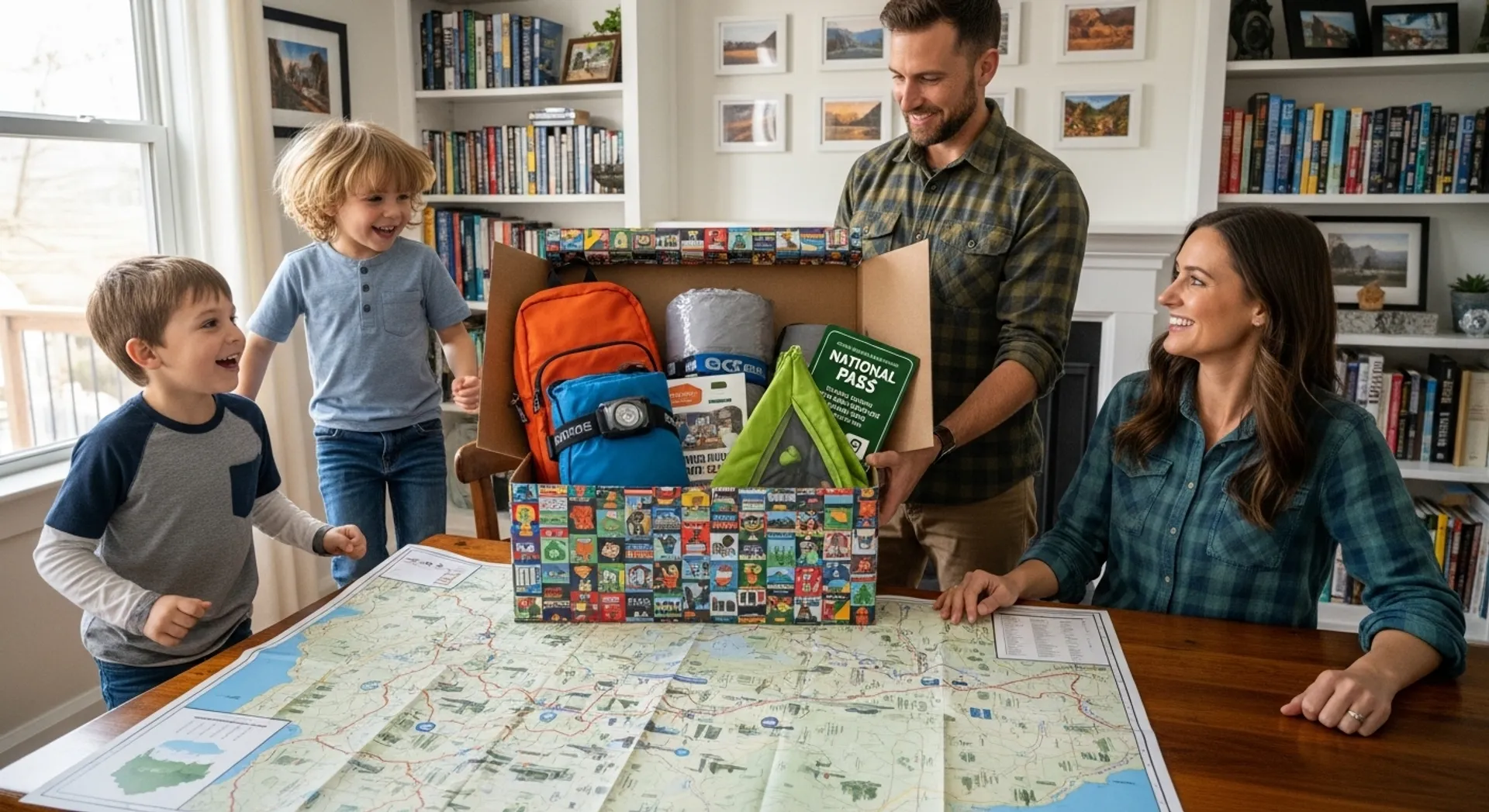
During holidays, create a “something you want, something you need, something to wear, something to read, something to experience” framework. That final category becomes the star of the show — perhaps ski lessons, a family national park pass, a kayaking expedition, or a weekend mountain cabin rental where extended family can gather.
Educate Extended Family and Friends
One challenge many families face is well-meaning grandparents, aunts, uncles, and friends who express love through material gifts. Have gentle conversations about your family’s values and provide specific suggestions for experiential gifts they can give.
Create a wishlist that includes memberships (zoo, science museum, children’s theater), lessons (swimming, skiing, horseback riding), gear that enables experiences (bikes, hiking boots, camping equipment), and contributions toward bigger adventures (family vacation fund). Most relatives genuinely want to give meaningful gifts — they just need guidance on what would truly serve your child’s development.
Experiential Gift Ideas for Every Budget
Experiential parenting doesn’t require wealth. While some adventures carry significant costs, countless meaningful experiences in the High Country are free or inexpensive. The key is creativity and intentionality, not unlimited resources.
Budget-Friendly Adventure Ideas
Some of the most memorable experiences cost nothing at all. Consider these accessible options that create lasting memories:
- Sunrise hikes to watch the day begin from a mountain overlook
- Geocaching adventures that turn local trails into treasure hunts
- Star-gazing nights with hot chocolate and constellation guides
- Creek exploration days searching for interesting rocks and aquatic life
- Backyard camping to practice outdoor skills close to home
- Nature photography walks with borrowed or basic cameras
- Seasonal nature journals documenting changes throughout the year
- Community festivals and free outdoor concerts
- Library nature programs and ranger-led activities
Many national parks offer fee-free days throughout the year, providing opportunities to explore incredible landscapes without admission costs. Local state parks often have minimal fees, and trails maintained by volunteer organizations are typically free to access.
Mid-Range Investment Experiences
When you’re ready to invest a bit more, consider experiences that provide repeated opportunities for adventure:
- Annual passes to state or national parks
- Season ski passes for the whole family
- Memberships to local outdoor recreation centers
- Quality camping gear that enables countless future trips
- Bike tune-ups and accessories that expand riding possibilities
- Beginner lessons in new outdoor activities
- Guided nature walks or outdoor education programs
These investments pay for themselves many times over as they enable ongoing adventures throughout the year. A ski pass might seem expensive upfront, but calculate the cost per day across a full season, and it becomes remarkably affordable entertainment that also builds lifelong skills and passion.
Special Occasion Splurge Experiences
For milestone birthdays or significant achievements, consider bigger experiential gifts that create once-in-a-lifetime memories:
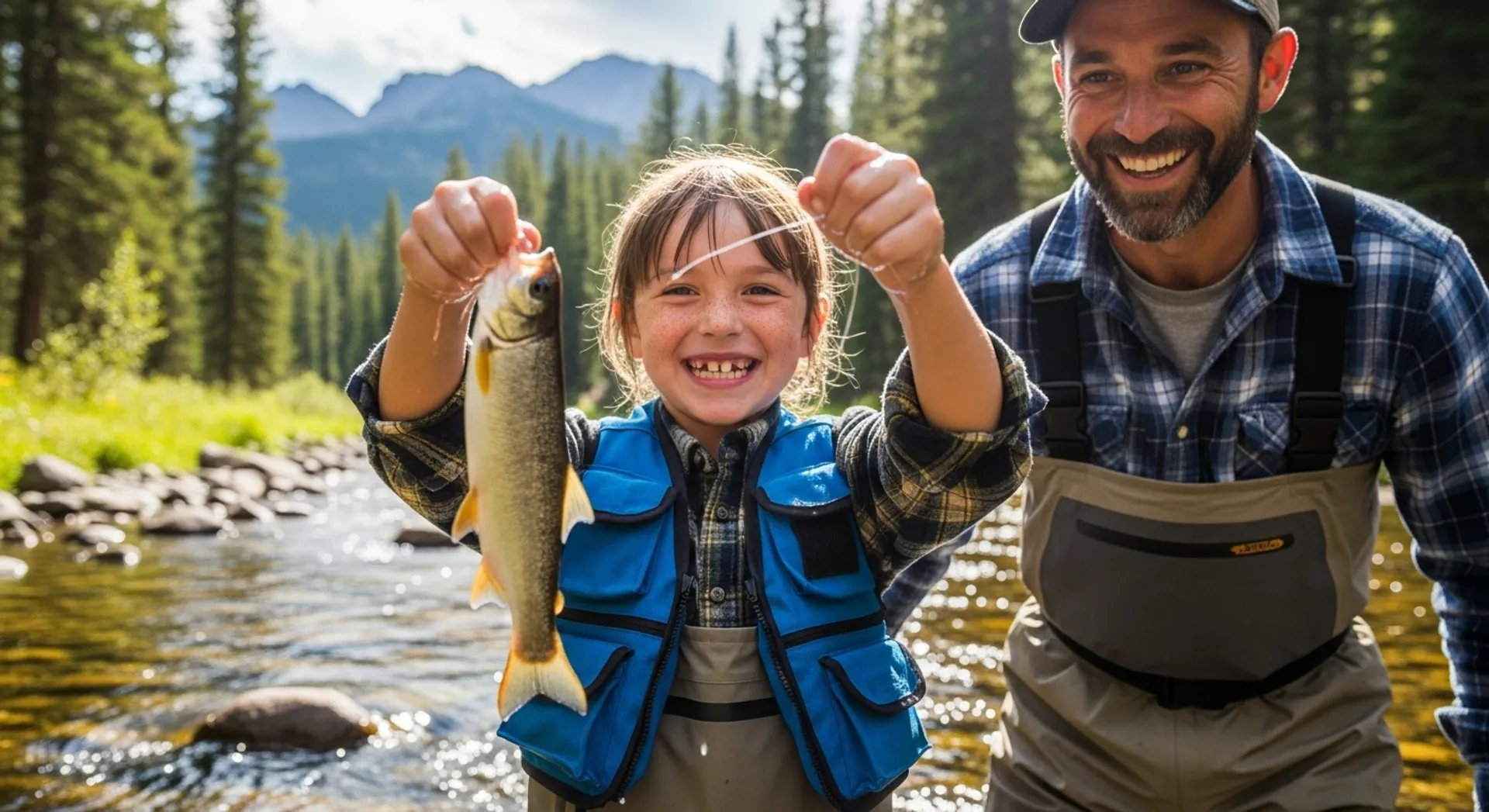
- Multi-day backpacking trips in stunning wilderness areas
- Whitewater rafting expeditions
- Horseback riding adventures through mountain trails
- Family travel to distant national parks or mountain destinations
- Overnight stays in unique accommodations (fire towers, yurts, backcountry huts)
- Professional outdoor skills courses (wilderness survival, mountaineering basics)
- Zip-lining or aerial adventure park experiences
Documenting Adventures Without Diminishing Them
One tension in experiential parenting involves documentation. We want to capture memories, but we also want to be fully present in the moment. Finding this balance is crucial for authentic experiential parenting.
Creating Meaningful Adventure Records
Rather than constantly interrupting experiences to photograph them, designate specific moments for photos — at the trailhead, at your destination, at day’s end. Then put devices away and be truly present. The memories your children form from your undivided attention during the hike itself will mean more than perfectly curated photo albums.
Consider these documentation approaches that enhance rather than detract from experiences:
- Adventure journals where children draw or write about their experiences afterward
- Collecting natural souvenirs (feathers, interesting rocks, pressed flowers) to create memory displays
- Evening storytelling sessions where you verbally recount the day’s adventures
- Creating simple photo books annually featuring seasonal highlights
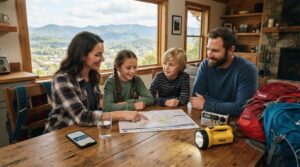
- Family maps marking trails hiked and peaks summited
Research on parent-child bonding emphasizes that children need our presence more than they need documentation of that presence. When you’re behind a camera, you’re not making eye contact, engaging in conversation, or providing the attentive awareness that creates secure attachment.
Overcoming Common Obstacles
Many parents embrace the concept of experiential parenting but struggle with practical implementation. Understanding common obstacles helps you anticipate and address them proactively.
Managing Peer Pressure and Social Expectations
Children will inevitably notice when friends receive elaborate material gifts while they receive experiences. Prepare for this by having honest conversations about your family’s values. Help children understand that different families make different choices, and your choice to prioritize experiences reflects what matters most to your family.
Emphasize what they gain rather than what they’re missing. While their friend got a new gaming console, they got to summit a mountain, sleep under stars, and create stories they’ll share forever. These aren’t consolation prizes — they’re genuinely more valuable investments in your child’s development and happiness.
Weather and Seasonal Limitations
Mountain weather can be unpredictable, and some parents worry about “wasting” experiential gifts if conditions don’t cooperate. Build flexibility into your adventure planning. Have backup indoor experiences ready (nature museums, climbing gyms, aquariums), or embrace less-than-perfect conditions as part of the adventure.
Some of the best memories come from slightly challenging circumstances — the hike that got rained on, the camping trip that was colder than expected, the trail that proved harder than anticipated. These experiences teach resilience and problem-solving while creating the most memorable stories.
The Long-Term Impact on Children
Experiential parenting isn’t just about childhood — it’s about shaping the adults your children will become. When you prioritize experiences over possessions, you’re teaching values that will guide them throughout their lives.
Children raised with experiential parenting develop stronger environmental ethics, having formed deep connections to natural places. They’re more likely to become adults who prioritize relationships over materialism, who seek adventure over accumulation, and who understand that happiness comes from what you do, not what you own.
They also develop practical confidence that serves them well in all areas of life. A child who has navigated challenging trails, weathered unexpected storms, and solved problems in the backcountry approaches life’s challenges with a “we can figure this out” mentality that no toy could ever instill.
Starting Your Experiential Parenting Journey Today
You don’t need to wait for a birthday or holiday to begin prioritizing experiences. Start this weekend with a simple adventure — a hike to a new-to-you trail, a picnic at a scenic overlook, an afternoon exploring a creek. Notice how your children engage differently when they’re moving their bodies, using their senses, and experiencing the natural world.
The High Country provides endless opportunities for