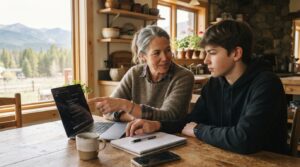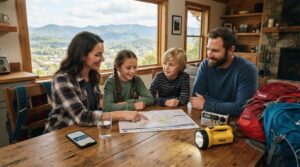
There’s something special happening in mountain communities across the country — families are coming together across generations like never before. As the cost of living continues to challenge modern families, many are rediscovering the profound benefits of multigenerational living, particularly in beautiful High Country settings where nature provides the perfect backdrop for creating lasting family memories.
The shift toward multigenerational mountain living isn’t just about economics; it’s about reclaiming something precious that many families have lost: the deep, meaningful connections that form when grandparents, parents, and children share experiences together in the great outdoors.
Why Multigenerational Living Is Making a Comeback
The return to multigenerational family structures represents one of the most significant parenting trends of 2025. Rising housing costs, increased childcare expenses, and a growing desire for stronger family bonds are driving this movement. In mountain communities, where the cost of living can be particularly high, families are finding creative solutions by pooling resources and sharing homes.
But the benefits extend far beyond financial considerations. Research shows that children who grow up with close relationships to their grandparents develop stronger emotional intelligence, have better problem-solving skills, and maintain a deeper connection to family history and traditions. For grandparents, staying active with grandchildren — especially through outdoor activities — contributes to better physical health and cognitive function.
Mountain living naturally supports this lifestyle. The abundance of outdoor activities provides countless opportunities for all generations to spend quality time together, from gentle nature walks suitable for toddlers and seniors to more adventurous hikes for active families.
Planning Successful Multigenerational Mountain Adventures
The key to successful multigenerational outings lies in thoughtful planning that considers everyone’s abilities and interests. Not every adventure needs to be a summit push — sometimes the most meaningful experiences happen on easy trails where conversation flows freely and everyone can participate comfortably.
Choose Age-Appropriate Activities
Start by selecting activities that accommodate your family’s most limited member, whether that’s a toddler taking their first hikes or a grandparent managing mobility challenges. Many national and state parks offer accessible trails that provide stunning views without requiring strenuous effort.
Consider these multigenerational-friendly mountain activities:
- Scenic drives with multiple overlook stops
- Picnics at accessible mountain parks
- Wildlife watching from comfortable viewing areas
- Fishing at stocked ponds with easy access
- Nature photography walks at a leisurely pace
- Autumn leaf collecting and nature crafts
- Stargazing from your cabin deck or campsite
Build in Plenty of Rest Stops
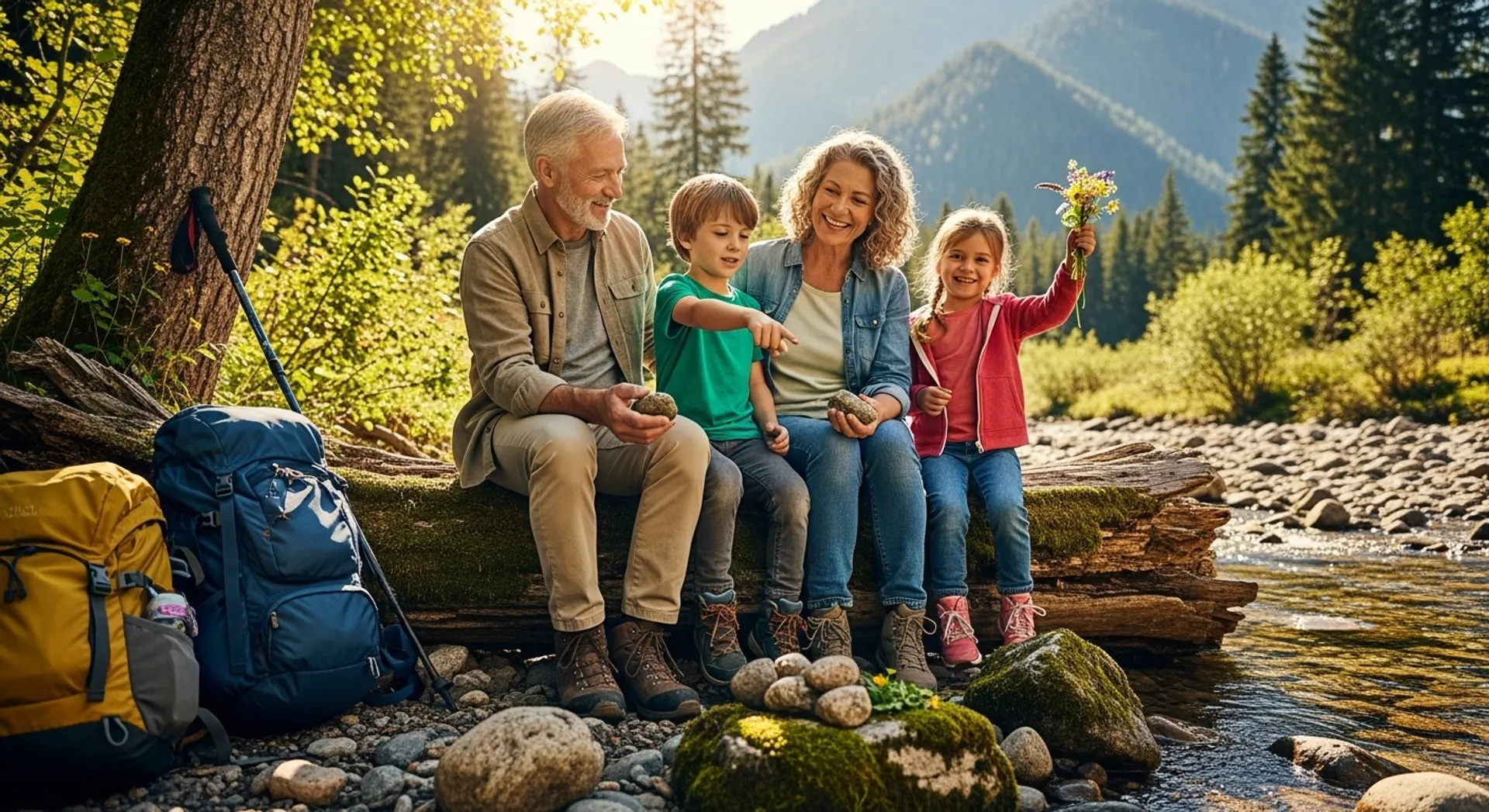
When planning hikes or outdoor excursions, factor in frequent breaks. What might be a quick two-hour hike for adults could easily become a four-hour adventure when you’re accommodating little legs and older joints. Pack extra snacks, bring comfortable portable chairs, and choose trails with benches or natural resting spots along the way.
These rest stops often become the most memorable parts of your adventures. They’re opportunities for grandparents to share stories, for children to explore interesting rocks or insects, and for parents to simply breathe and enjoy watching the generations connect.
Creating a Multigenerational Mountain Home Base
Whether you’re considering permanent multigenerational living arrangements or planning extended family mountain getaways, creating a comfortable home base is essential. The beauty of mountain communities is that many properties offer the space and flexibility needed for multiple generations to live together harmoniously.
Designing Shared Spaces for All Ages
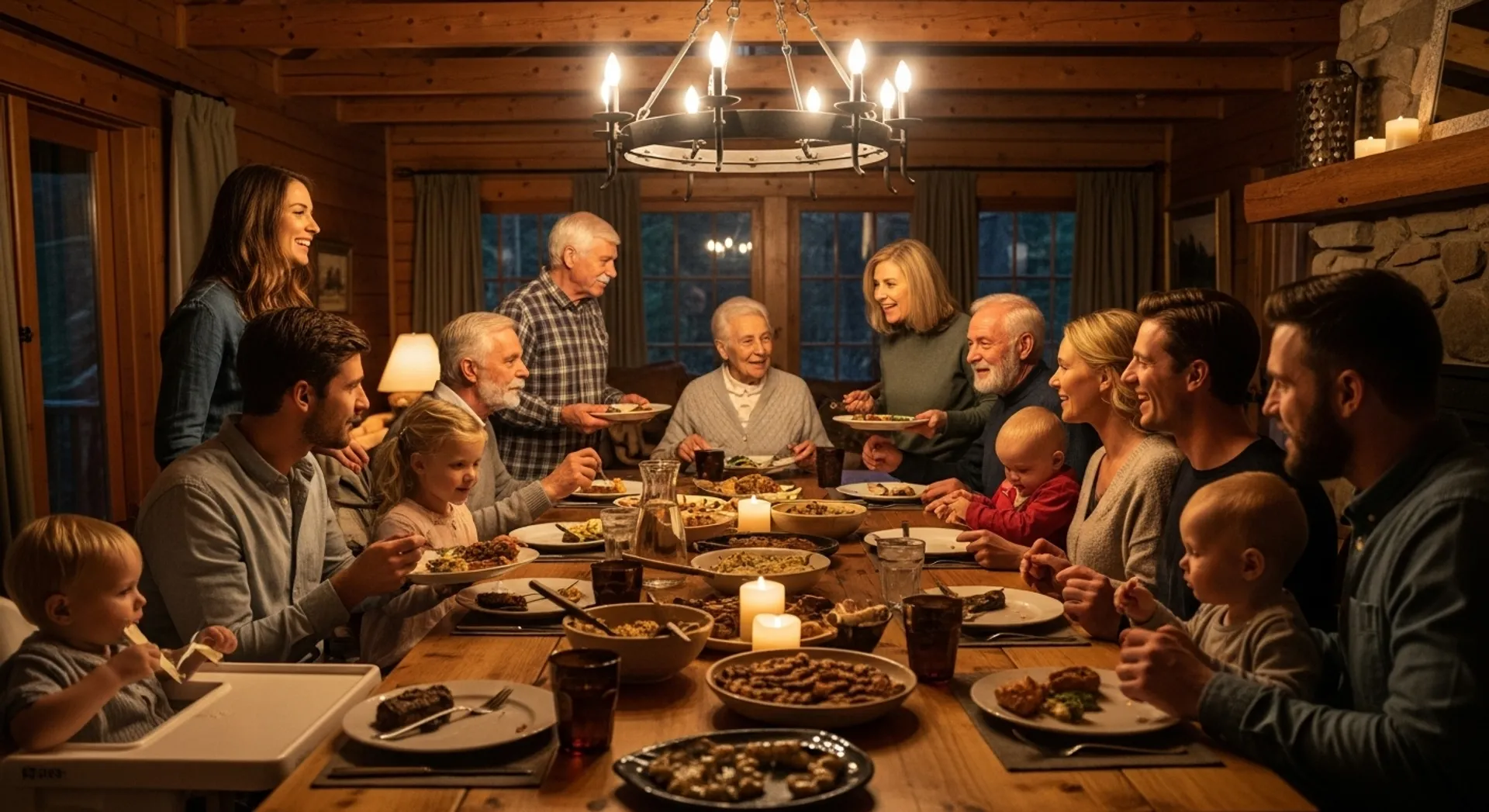
Successful multigenerational homes balance togetherness with privacy. Look for properties with separate living areas where different generations can retreat when needed, while also providing communal spaces that encourage family interaction. A large kitchen and dining area becomes the heart of the home, where meal preparation turns into a multigenerational activity and family dinners strengthen bonds.
Outdoor spaces are equally important in mountain settings. A wraparound porch, multiple deck areas, or a spacious yard gives everyone room to enjoy fresh air and mountain views together. As we’ve discussed before, mountain living naturally encourages gratitude, and having outdoor spaces where all generations can gather enhances this practice.
Safety Considerations for All Ages
When setting up a multigenerational mountain home, consider safety features that protect both young children and older adults. Install handrails on stairs and in bathrooms, ensure adequate lighting throughout the home, and create clear pathways free of tripping hazards. Childproof areas where necessary, but also create “yes spaces” where grandchildren can explore safely under grandparents’ watchful eyes.
The Educational Benefits of Intergenerational Outdoor Time
Mountain adventures with grandparents offer unique educational opportunities that can’t be replicated in a classroom. Grandparents bring patience, life experience, and often specialized knowledge about nature, weather patterns, local history, or outdoor skills that enrich children’s understanding of the world around them.
Passing Down Outdoor Skills and Traditions
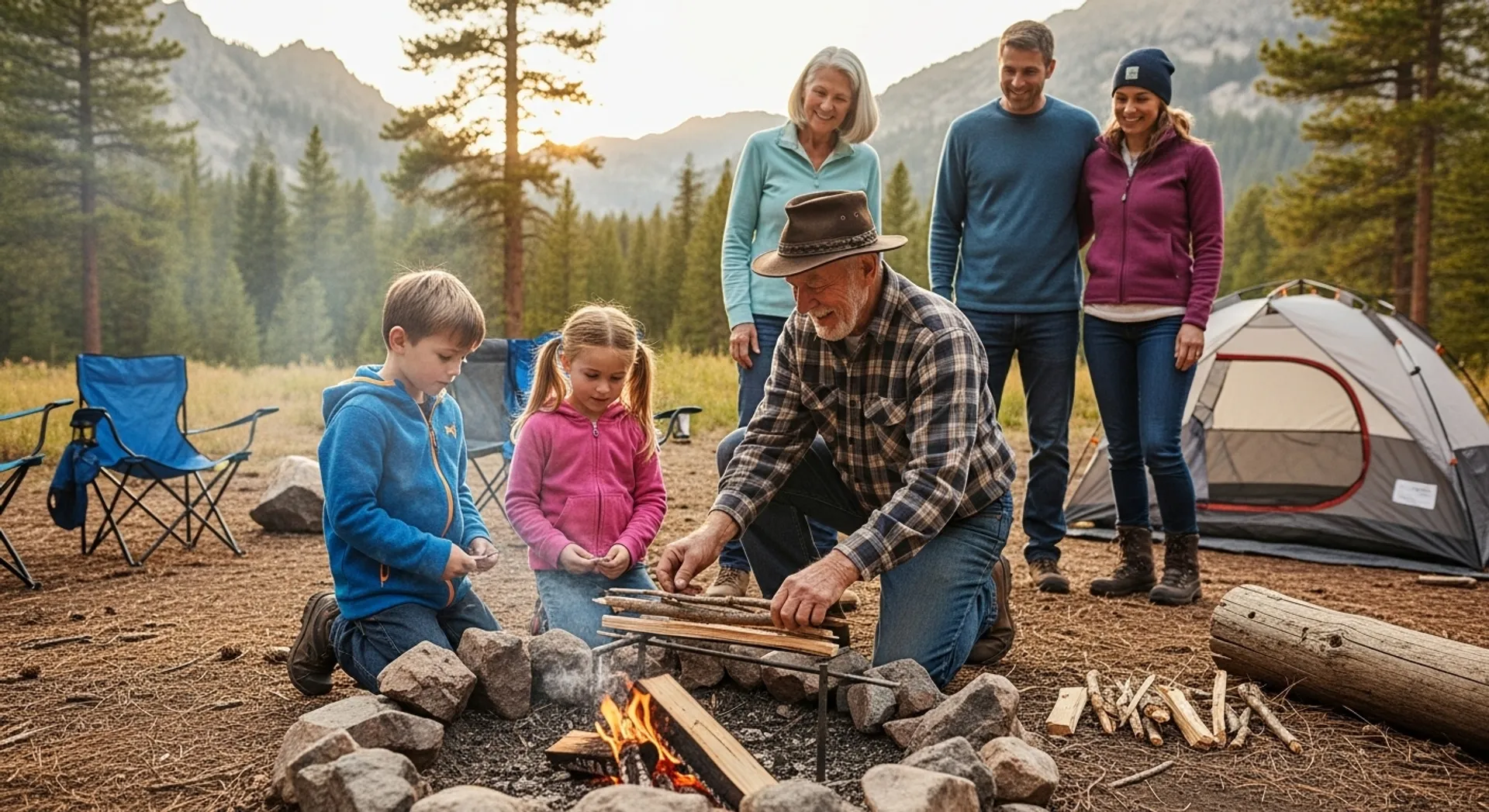
Grandparents can teach grandchildren skills they might not learn otherwise: how to read animal tracks, identify edible plants, predict weather changes by observing clouds, or tie essential knots. These aren’t just practical skills — they’re living links to family heritage and traditional knowledge that strengthen children’s sense of identity and belonging.
Create intentional opportunities for this knowledge transfer. Plan camping trips where grandparents can teach fire-building techniques, organize fishing outings where they demonstrate patience and proper technique, or schedule autumn hikes focused on identifying trees and collecting leaves for later identification projects.
Building Emotional Resilience Through Shared Challenges
When families tackle outdoor challenges together — whether it’s reaching a viewpoint, setting up camp, or navigating a gentle trail — children witness how different generations approach problem-solving. They see grandparents model perseverance, observe parents supporting older relatives, and learn that asking for help is a sign of wisdom, not weakness.
These experiences build emotional resilience in ways that structured activities cannot. Research consistently shows that outdoor time reduces anxiety and improves emotional regulation, and these benefits multiply when children experience nature alongside loving grandparents who provide emotional security and encouragement.
Practical Tips for Long-Term Success
Making multigenerational mountain living work requires clear communication, flexibility, and mutual respect. Here are strategies that successful multigenerational families use to maintain harmony:
Establish Clear Expectations and Boundaries
Before committing to multigenerational living or planning extended family mountain trips, have honest conversations about expectations. Discuss parenting philosophies, household responsibilities, privacy needs, and financial arrangements. When everyone understands their role and respects others’ boundaries, conflict decreases significantly.
Create a family agreement that addresses daily routines, discipline approaches, and decision-making processes. This doesn’t need to be a formal legal document — even a simple written understanding can prevent misunderstandings and provide a reference point when questions arise.
Schedule Regular Family Meetings
Set aside time monthly (or weekly for families living together) to discuss what’s working well and address any concerns. These meetings provide a safe space for everyone to voice their feelings and collaboratively solve problems before they escalate.
During these gatherings, plan upcoming adventures together. Let grandchildren suggest activities they’d like to try, encourage grandparents to share places they’d like to revisit, and ensure parents’ voices are heard in the planning process. When everyone has input, everyone feels invested in making family time successful.
Honor Individual Needs for Solitude
Even in close-knit multigenerational families, everyone needs occasional alone time. Respect when family members need to step away, take a solo walk, or spend time in their own space. Teaching children to recognize and respect these boundaries prepares them for healthy relationships throughout their lives.
Creating Lasting Memories in the Mountains
The return to multigenerational living represents more than a practical response to economic pressures — it’s a conscious choice to prioritize family relationships in an increasingly disconnected world. Mountain communities, with their natural beauty and abundant outdoor opportunities, provide ideal settings for these intergenerational connections to flourish.
When grandparents and grandchildren share sunrise views from mountain peaks, when three generations work together to set up a campsite, when great-grandparents pass down stories around an evening fire — these moments become the foundation of strong family identity that spans generations.
The High Country offers something increasingly rare in modern life: space to slow down, opportunities to unplug from technology, and countless ways for families to adventure together regardless of age or ability. By embracing multigenerational mountain living, you’re not just solving practical challenges — you’re investing in relationships that will sustain your family for generations to come.
Whether you’re considering a permanent multigenerational living arrangement or simply planning more intentional extended family mountain getaways, the key is to start now. Every season brings new opportunities for adventure, and every shared experience strengthens the bonds that make families resilient.
So gather your generations, pack your bags, and head to the mountains. The adventures you create today will become the stories your grandchildren tell their grandchildren — a legacy of love, connection, and cherished time spent together in the beautiful High Country.