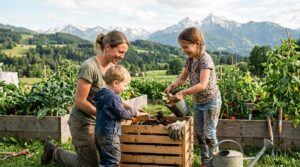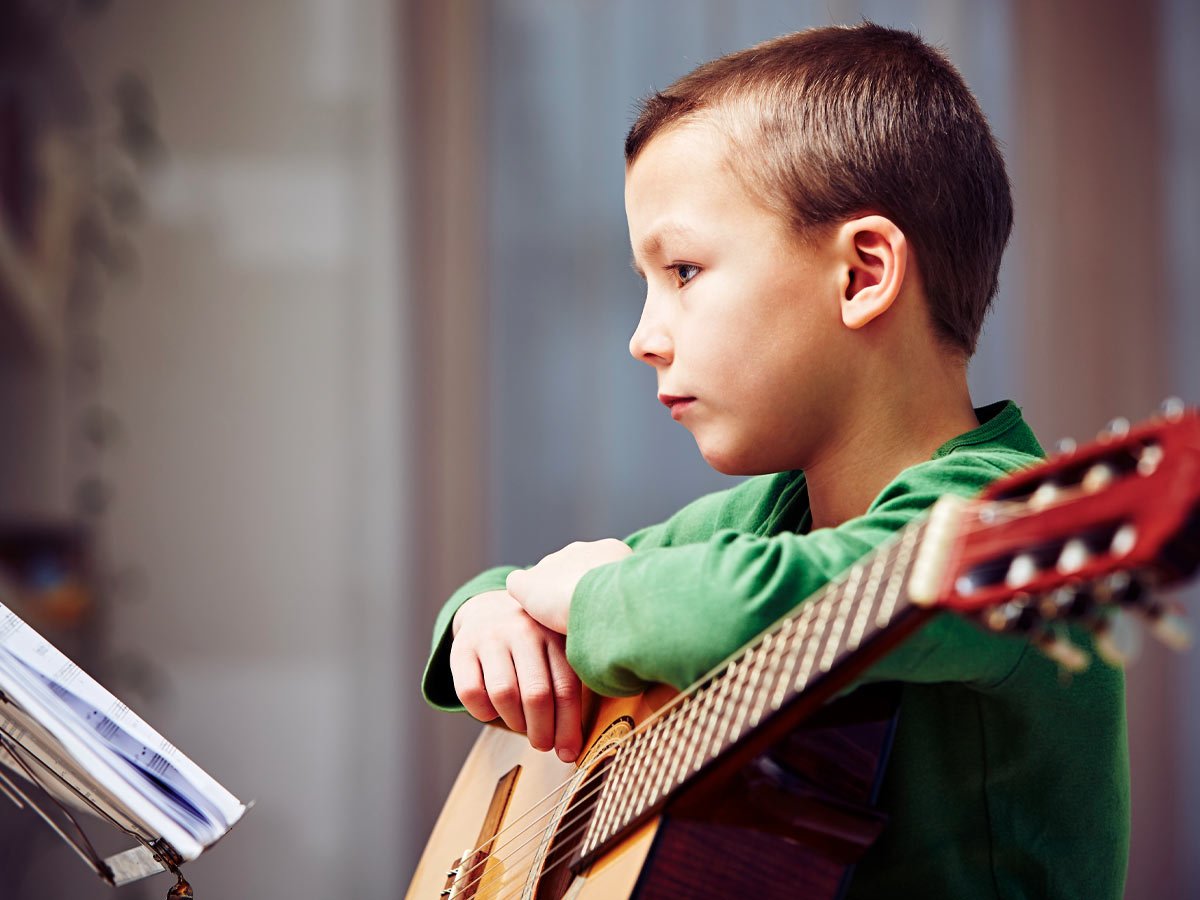
Living in the High Country gives our families an incredible advantage when it comes to staying active. We have mountains to climb, trails to explore, and fresh air to breathe. But here’s the truth: while hiking is amazing, it’s not the only way — or always the most practical way — to keep our families moving, especially when winter storms roll in or when we simply need variety in our routine.
According to the Centers for Disease Control and Prevention, children and adolescents ages 6-17 need at least 60 minutes of physical activity every day. For younger children ages 3-5, the recommendation is to be active throughout the day. Yet many families struggle to meet these guidelines, particularly during our long mountain winters or when weather keeps us indoors.
The good news? Family fitness doesn’t require a gym membership, expensive equipment, or perfect weather. It simply requires intention, creativity, and a willingness to move together. When we make fitness a family activity rather than something parents do separately, we create powerful habits, strengthen bonds, and model healthy behaviors that our children will carry into adulthood.
Why Family Fitness Matters More Than You Think
Before we dive into the how, let’s talk about the why. Family fitness isn’t just about burning calories or checking off a daily exercise requirement. The benefits extend far beyond physical health.
Physical Health Benefits
Regular physical activity strengthens children’s hearts, lungs, bones, and muscles. Research from the CDC shows that active children have improved cardiovascular fitness, stronger bones, better weight management, and reduced risk of chronic diseases later in life. For adults, regular activity reduces the risk of heart disease, diabetes, and numerous other health conditions.
In the High Country, where we face unique challenges like high altitude and extreme weather, maintaining cardiovascular fitness is particularly important. Our bodies work harder at elevation, and staying active helps us adapt and thrive in our mountain environment.
Mental and Emotional Benefits
Physical activity is a powerful mood booster for both children and adults. Exercise releases endorphins, reduces stress hormones, and can alleviate symptoms of anxiety and depression. For families in rural areas where access to mental health services may be limited — something we’ve discussed in our post on Mental Health Awareness for Kids & Teens in Rural Communities — regular family fitness can be an important component of emotional wellness.
Movement also improves sleep quality, boosts self-esteem, and enhances cognitive function. Studies show that children who are physically active perform better academically, have improved focus and attention, and demonstrate better problem-solving skills.
Family Bonding and Life Skills
When families exercise together, they create shared experiences and memories. You’re not just building stronger bodies; you’re building stronger relationships. Family fitness time provides opportunities for conversation, laughter, teamwork, and mutual encouragement.
Research published in the National Institutes of Health database found that family-oriented sports training significantly improved family happiness and mental vitality. Children also learn important life skills through family fitness: perseverance, goal-setting, handling challenges, and the value of consistency.
Perhaps most importantly, children whose parents model an active lifestyle are significantly more likely to remain active throughout their lives. You’re not just helping your kids stay healthy today; you’re setting them up for a lifetime of wellness.
The High Country Challenge (and Opportunity)
Let’s be honest about the unique challenges we face in mountain communities. Our winters are long and can be harsh. We may live far from gyms or recreation centers. Weather can be unpredictable, and darkness comes early in winter months.
But these challenges also present opportunities. We have access to incredible outdoor spaces right outside our doors. We can embrace winter activities that families in warmer climates never experience. We can get creative with indoor movement when needed. And we can teach our children that fitness isn’t dependent on perfect conditions or fancy facilities — it’s a mindset and a commitment.
Year-Round Family Fitness Ideas
The key to sustainable family fitness is variety. Here’s a comprehensive guide to keeping your family moving through all four seasons in the High Country:
| Season/Setting | Activity Ideas | Age Adaptations |
|---|---|---|
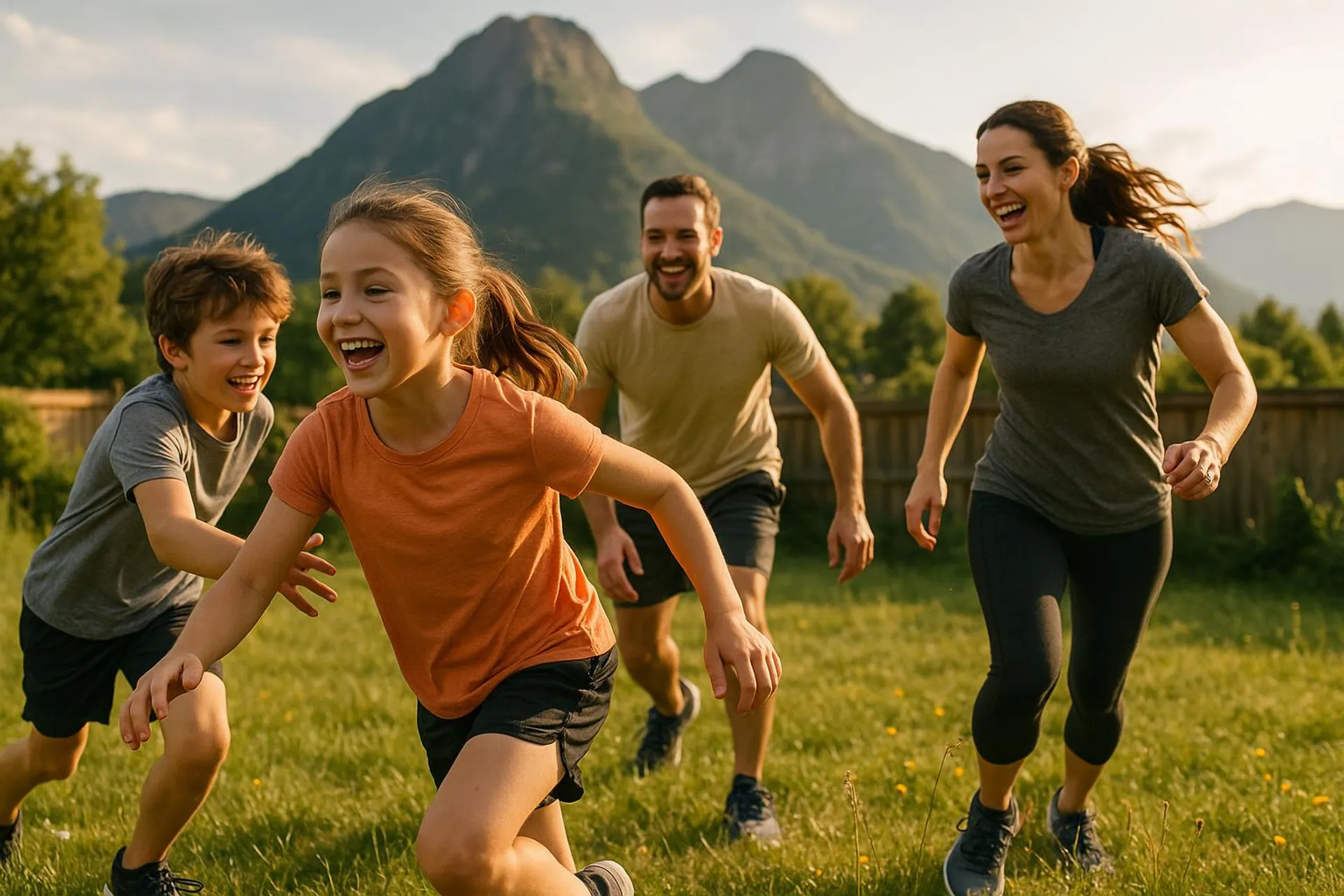
| Spring/Summer Outdoor | Family bike rides, nature walks, backyard obstacle courses, frisbee, soccer, basketball, jump rope challenges, nature scavenger hunts while walking, family relay races | Toddlers: short distances, frequent breaks. School-age: increase distance and complexity. Teens: add challenges like timed races or skill development |
| Fall Outdoor | Leaf pile jumping, apple picking (active walking), fall hiking, outdoor yoga in crisp air, raking leaves together (yes, it counts!), preparing garden for winter | Make it playful for young kids with games. Older kids can help with heavier tasks and longer hikes |
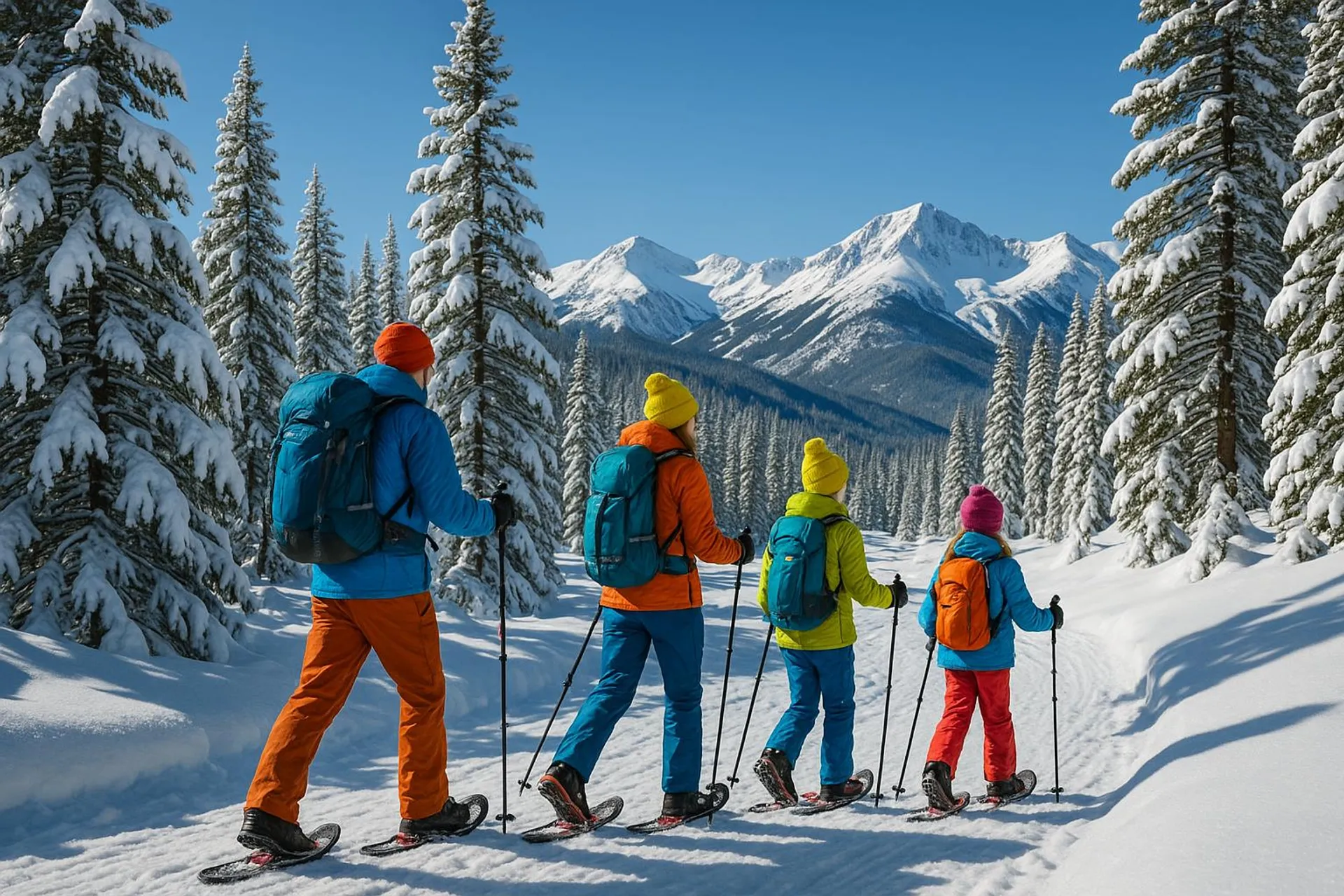
| Winter Outdoor | Snowshoeing, sledding (climbing back up the hill is great exercise!), building snowmen and snow forts, cross-country skiing, winter nature walks, ice skating if available | Dress appropriately for all ages. Shorter outings for little ones. Check our Preparing for Winter in the High Country guide for safety tips |
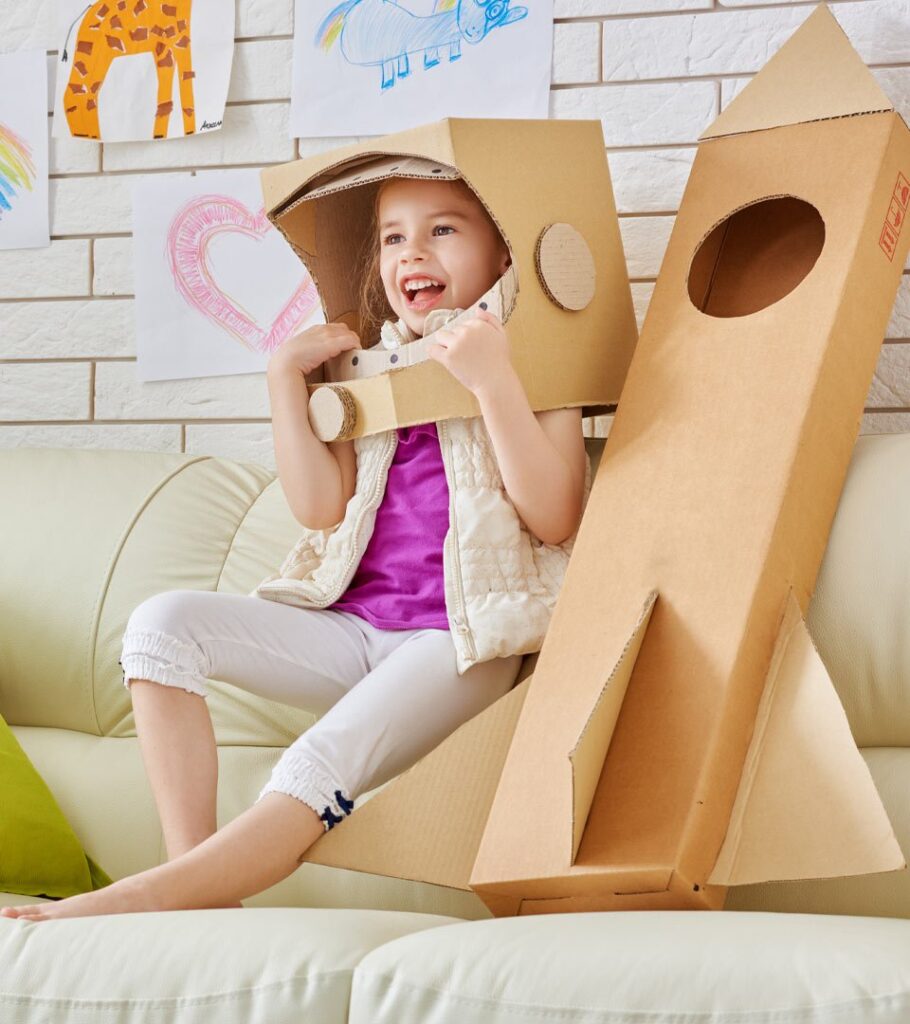
| Indoor Activities (Any Season) | Dance parties, indoor obstacle courses using furniture and pillows, yoga or stretching, freeze dance, Simon Says with active movements, balloon volleyball, stair climbing challenges, follow-along exercise videos | Toddlers love music and movement. School-age kids enjoy challenges and games. Teens might prefer structured workouts or dance |
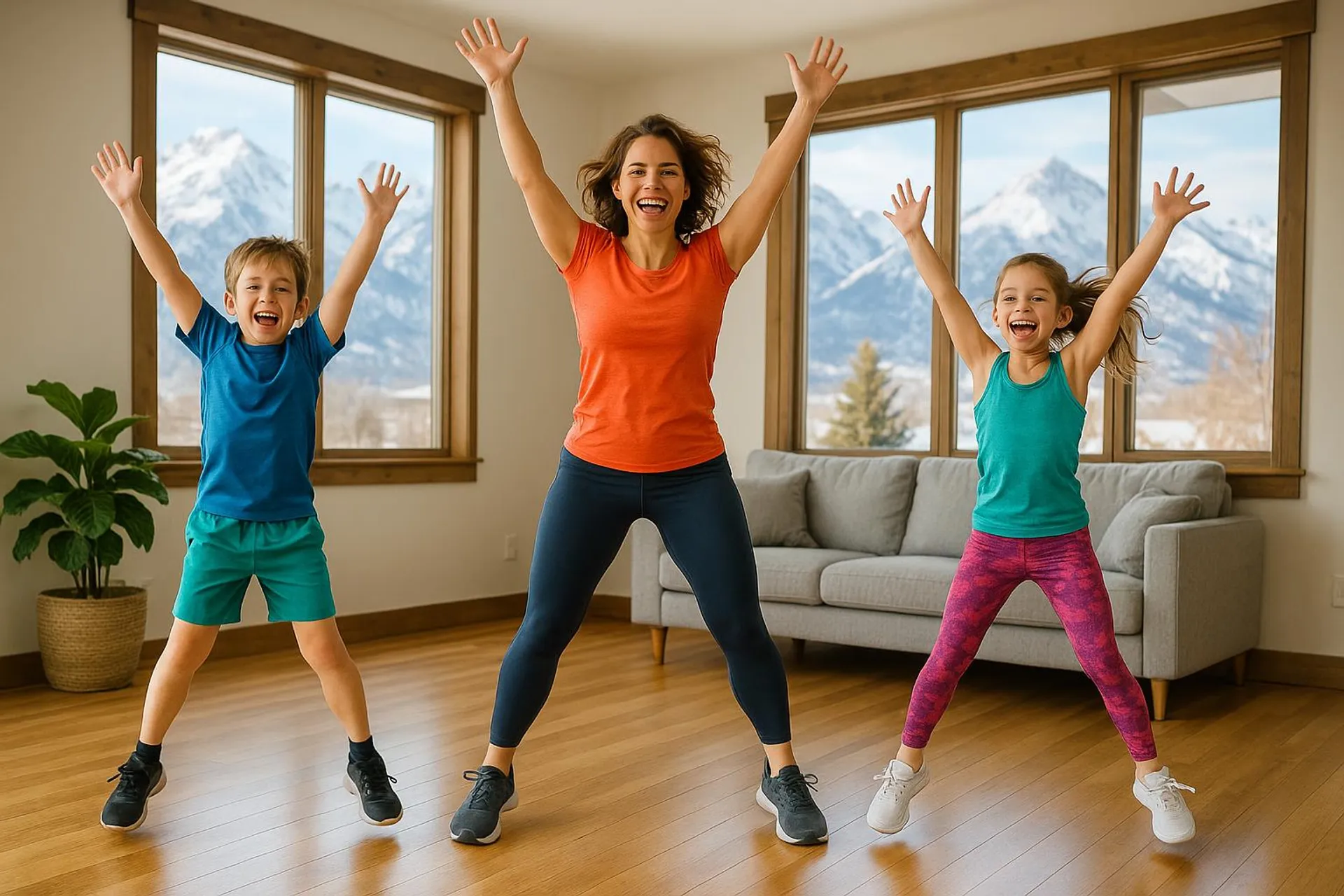
| Living Room Workouts | Jumping jacks, high knees, burpees (modified for kids), plank challenges, sit-ups, push-ups, lunges, wall sits, family fitness circuits | Modify intensity and duration by age. Make it a game with younger children. Create friendly competitions with older kids |
Making It Work: Practical Strategies for Busy Families
Knowing what to do is one thing; actually doing it consistently is another. Here are practical strategies to make family fitness a sustainable part of your routine:
Start Small and Build Gradually
You don’t need to jump into 60 minutes of intense activity right away. Start with 10-15 minutes of family movement and gradually increase. Consistency matters more than duration, especially when you’re building new habits.
Schedule It Like Any Other Important Appointment
Family fitness time should be on your calendar. Maybe it’s a morning dance party before school, an after-dinner walk, or a weekend adventure. When it’s scheduled, it’s more likely to happen.
Make It Fun, Not a Chore
The moment fitness feels like an obligation, kids (and adults!) will resist. Keep it playful. Let kids choose activities. Play music. Be silly. Laugh together. The goal is to associate movement with joy, not drudgery.
Embrace “Exercise Snacks”
You don’t need one long workout session. Short bursts of activity throughout the day add up. A 10-minute morning stretch, a 15-minute afternoon dance party, and a 20-minute evening walk together equal 45 minutes of movement.
Connect Fitness to Other Activities
Walk to the mailbox together. Do jumping jacks during commercial breaks. Have a dance-off while cooking dinner. Park farther away and walk. Take the stairs. Movement doesn’t have to be separate from daily life; it can be woven into it.
Limit Screen Time and Offer Active Alternatives
As we discussed in our post on Ditching the Screens for Summits, reducing sedentary screen time naturally creates space for more movement. When kids ask for screens, offer an active alternative first: “Let’s have a dance party for 10 minutes, then you can have screen time.”
Use What You Have
You don’t need special equipment. Use household items creatively: water bottles as weights, stairs for cardio, towels for stretching, pillows for obstacle courses. The mountains are your gym, and your living room is your backup studio.
Age-Specific Considerations
Different ages require different approaches to family fitness:
Toddlers and Preschoolers (Ages 2-5): Focus on unstructured active play. Chase games, dancing, jumping, climbing on safe playground equipment. Keep sessions short (10-20 minutes) and make everything a game. At this age, you’re building positive associations with movement.
School-Age Children (Ages 6-12): Introduce more structured activities and games with rules. This age group loves challenges, competitions, and learning new skills. They can handle longer activity sessions (30-45 minutes) and enjoy both individual and team activities.
Teenagers (Ages 13+): Give teens more autonomy in choosing activities. They may prefer working out alongside you rather than playing games. Respect their growing need for independence while still creating opportunities for family movement. Consider activities like hiking, biking, or strength training that feel more “adult.”
Mixed-Age Families: Choose activities that can be modified for different abilities. Hiking works for all ages with varied distances. Dance parties let everyone participate at their own level. Relay races can include age-appropriate challenges for each family member.
Making Fitness a Family Value, Not Just an Activity
The ultimate goal isn’t just to get your family moving today — it’s to instill a lifelong value of health and wellness. Here’s how to shift from “we should exercise” to “we are an active family”:
Model the behavior you want to see. Your children are watching. When they see you prioritizing movement, choosing active options, and finding joy in physical activity, they internalize those values.
Talk about how movement makes you feel. Instead of focusing on appearance or weight, emphasize how good it feels to move your body. “I love how energized I feel after our morning walk!” or “Don’t you feel stronger after doing those exercises?”
Celebrate effort and consistency, not perfection. Praise your child for trying a new activity, sticking with something challenging, or simply showing up for family fitness time. The goal is building habits, not achieving athletic excellence.
Connect fitness to your mountain lifestyle. Frame physical activity as part of what it means to live in the High Country. “We stay strong so we can enjoy our beautiful mountains.” “We take care of our bodies so we can explore these trails together.”
Make it a judgment-free zone. Family fitness should never involve criticism about bodies, abilities, or performance. Every family member participates at their own level, and that’s not only okay — it’s perfect.
Overcoming Common Obstacles
“We’re too busy.” Start with just 10 minutes. You have time for what you prioritize. Family fitness can replace other activities or be combined with them (walking while talking about the day, for example).
“My kids resist.” Give them choices. Let them pick the activity. Make it playful. Sometimes you need to start the activity yourself, and kids will naturally join in when they see you having fun.
“I’m not fit enough to lead family workouts.” You don’t need to be an athlete. You’re simply moving together. Follow online videos, take walks, dance to music. Your willingness to try is what matters.
“The weather is terrible.” Have a backup plan for indoor movement. Some of our best family fitness memories happen on days when we get creative indoors because we can’t go outside.
Final Thoughts: Moving Forward Together
Family fitness in the High Country isn’t about perfection, intense workouts, or achieving specific fitness goals. It’s about creating a culture of movement in your home, building healthy habits together, and teaching your children that taking care of their bodies is a joyful, lifelong practice.
The mountains that surround us provide endless opportunities for adventure and activity, but the most important fitness resource you have isn’t the trails or the slopes — it’s each other. When you move together as a family, you’re not just building stronger bodies. You’re building stronger bonds, creating lasting memories, and giving your children a foundation of health that will serve them for a lifetime.
So whether it’s a winter dance party in your living room, a summer hike on your favorite trail, or a spontaneous game of tag in the backyard, make time to move together. Your family’s health — physical, mental, and emotional — depends on it.
The mountains are calling, but so is your living room, your backyard, and every space in between. Let’s get moving, High Country families.