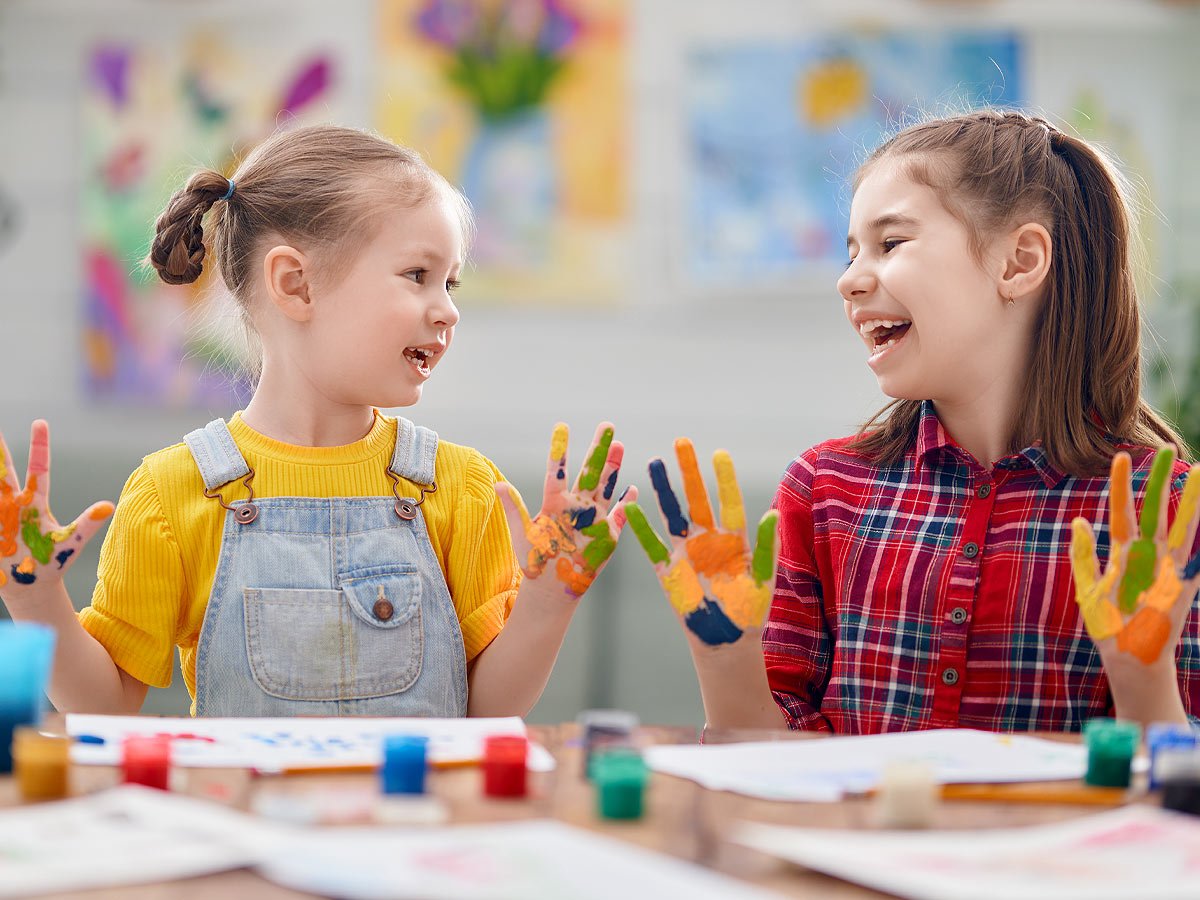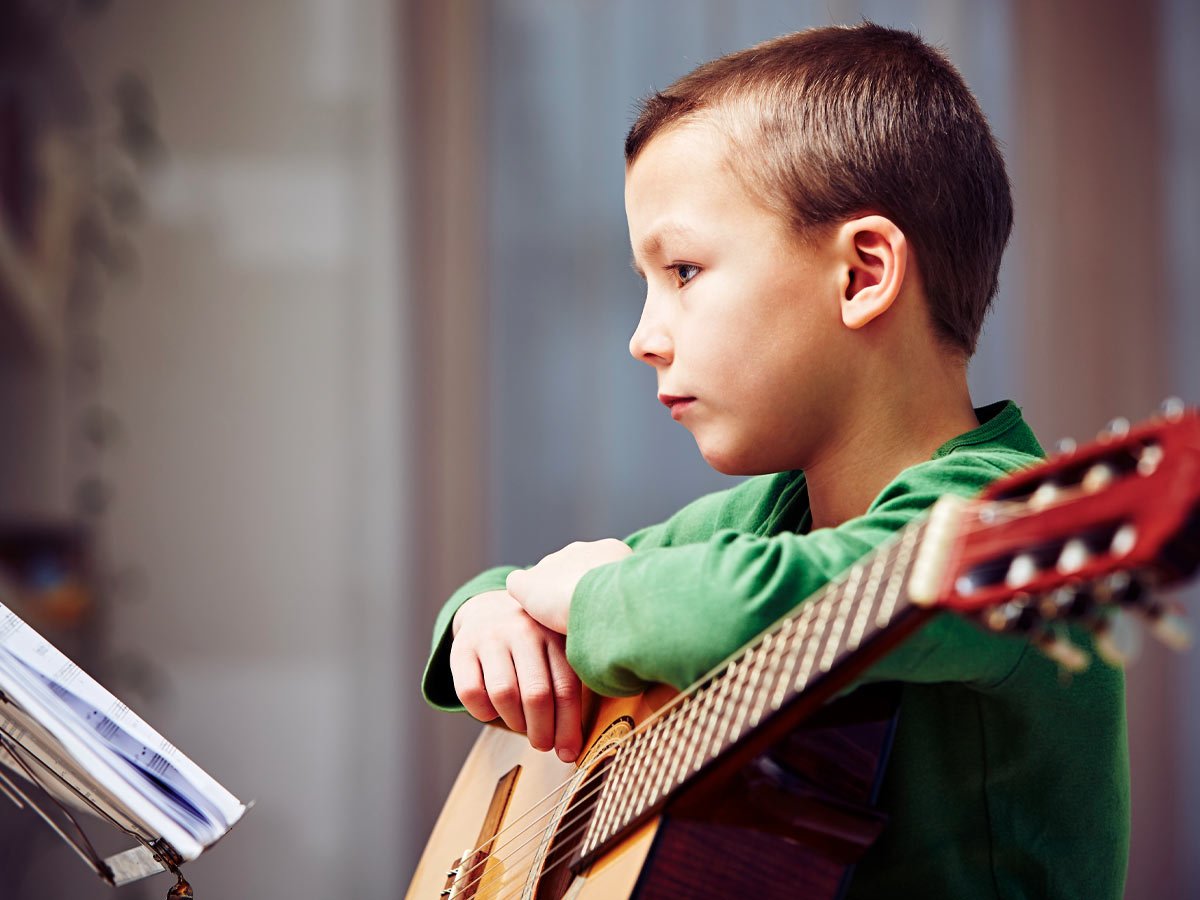
Why Budget-Smart Parenting Matters More Than Ever in 2026
Walk into any toy store today and you will see aisles of plastic items that promise hours of entertainment but often end up forgotten in a closet within weeks. Meanwhile, the price tags keep climbing and family budgets feel tighter than ever. High Country parents are discovering a better way — one that prioritizes meaningful experiences and smart secondhand shopping over endless accumulation of new stuff.
The shift toward experience gifts and secondhand finds is not just about saving money, although that is a significant benefit. It is about teaching our children what truly matters. Research shows that experiences create deeper, longer-lasting happiness than material possessions. And buying secondhand keeps perfectly good items out of landfills while stretching family budgets further.
At High Country Mom Squad, we believe that less stuff and more savings is not about deprivation — it is about freedom. Freedom from clutter, freedom from financial stress, and freedom to focus on what really matters: connection, adventure, and raising kids who understand that happiness comes from experiences, not things.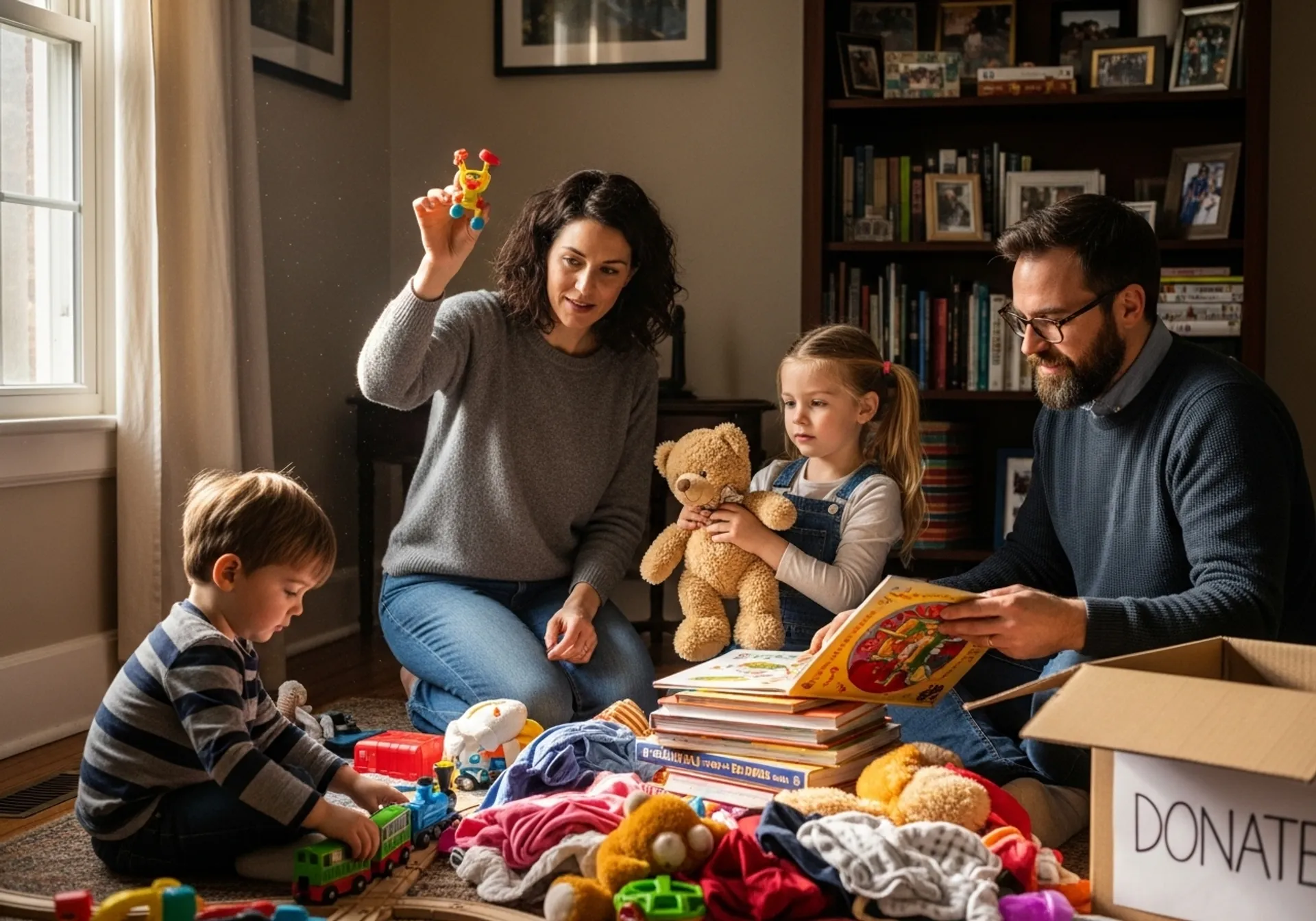
The Power of Experience Gifts for Children
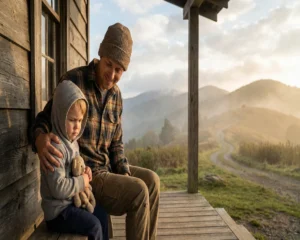
When you ask children about their favorite memories, they rarely mention the toys they received. Instead, they talk about the camping trip where they roasted marshmallows, the day they learned to ride a bike, or the afternoon spent baking cookies with grandma. These experiences become part of who they are in ways that possessions never can.
Why Experiences Create Lasting Joy
Unlike material items that lose their appeal quickly, experiences provide happiness in three phases. First, there is the anticipation — the excitement of looking forward to an upcoming adventure. Then there is the experience itself — the joy of being fully present in a memorable moment. Finally, there is the reminiscing — the pleasure of recalling and sharing stories for years to come.
As we have explored in our experiential parenting guide, choosing adventures over toys builds crucial life skills. Children who experience outdoor challenges develop resilience, confidence, and problem-solving abilities that no toy could ever provide.
Budget-Friendly Experience Gift Ideas
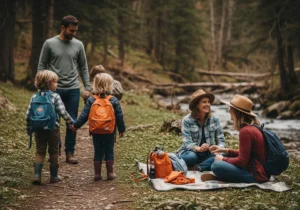
Experience gifts do not have to be expensive. Many of the most meaningful adventures in the High Country cost little or nothing at all. Consider sunrise hikes to mountain overlooks, creek exploration days searching for interesting rocks, backyard camping trips, or star-gazing nights with hot chocolate. Community festivals, library programs, and ranger-led activities offer free family entertainment throughout the year.
When you are ready to invest a bit more, think about memberships that provide repeated opportunities for adventure. Annual passes to state parks, season ski passes, or memberships to local recreation centers pay for themselves many times over as they enable ongoing family experiences.
The Smart Parent’s Guide to Secondhand Shopping
Children grow rapidly — babies often outgrow clothes every two to three months in their first year, and toddlers typically size up every six months. Purchasing brand-new items that will only fit for a short time makes little financial sense. Secondhand shopping offers a smarter solution.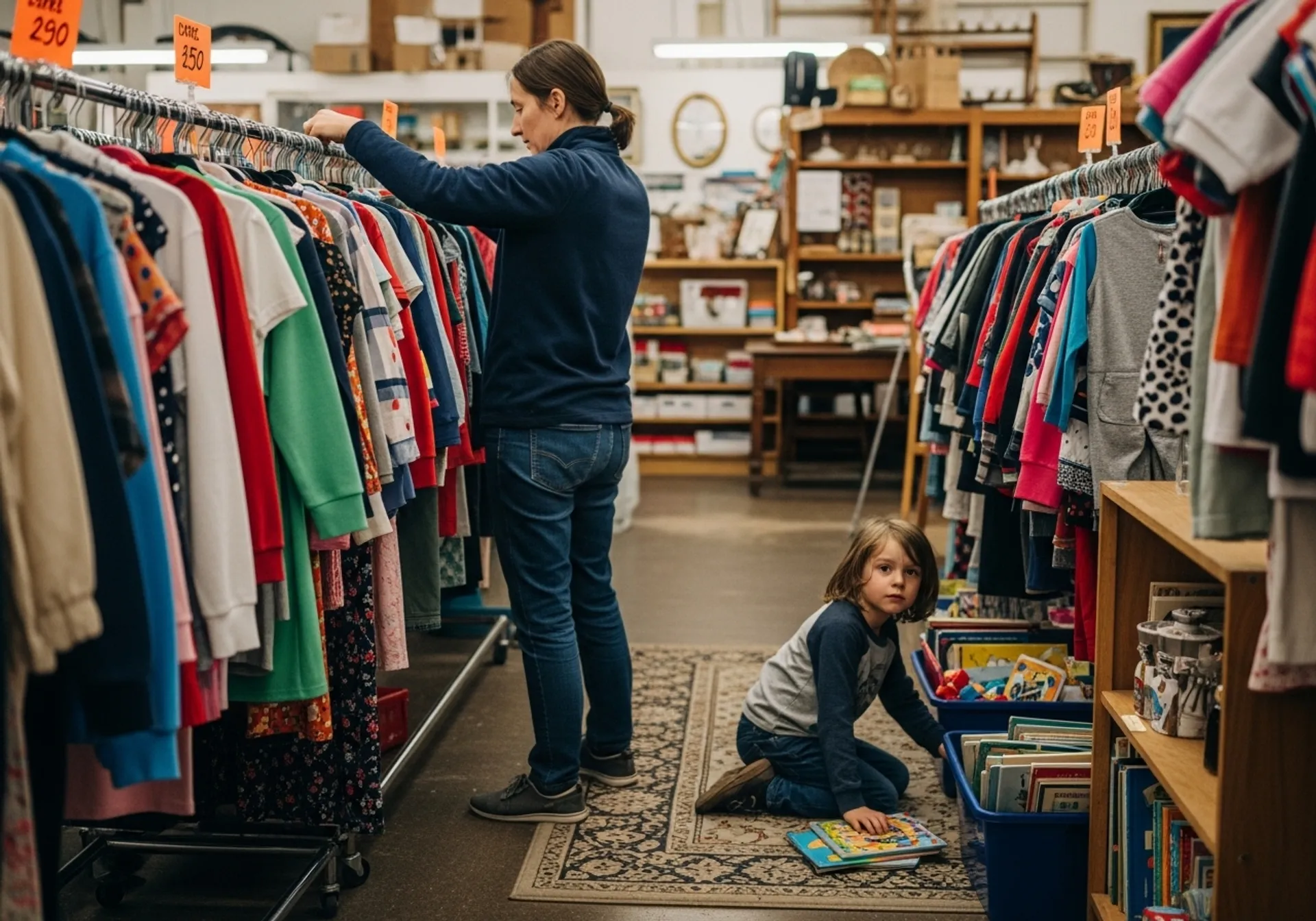
What to Buy Secondhand for Kids
Almost everything children need can be found in excellent condition at thrift stores, consignment shops, and online resale platforms. Clothing is the most obvious category — you can find trusted brands like Gap, Nike, and Carter’s at a fraction of retail prices. But the savings extend far beyond wardrobes.
Sports equipment and outdoor gear are perfect secondhand purchases. Children outgrow bikes, skis, and skates quickly, meaning plenty of barely-used equipment is available. Books, puzzles, games, and craft supplies can also be found in abundance. Even furniture for children’s rooms — desks, dressers, and bookshelves — can be sourced secondhand at significant savings.
Where to Find Quality Secondhand Items
According to Children’s Orchard, buying just one item used instead of new can save up to 82% in energy, 88% in water, and 12 pounds of CO₂ emissions. Beyond the environmental benefits, families can access high-quality items at prices that fit their budgets.
Start by getting to know the thrift and consignment stores in your area. Each store has its own specialties, pricing structure, and sale days. Consignment shops often offer better quality with prices comparable to charity shops. Online platforms like Facebook Marketplace, local buy-sell-trade groups, and specialized resale apps expand your options even further.
Teaching Kids to Thrift
Involving children in secondhand shopping teaches valuable lessons about budgeting, decision-making, and sustainability. Give older kids a set budget and let them make choices about what to purchase. When they cannot afford both the desk and the nightstand they want, they learn about prioritization and trade-offs in a real-world context.
Keep thrifting trips short and fun for younger children. Let them hunt for specific items, choose a book, or search through the toy section for hidden treasures. The thrill of finding something special at a great price creates positive associations with smart shopping that will serve them throughout their lives.
Making the Mindset Shift from More to Meaningful
Transitioning to budget-conscious parenting requires a shift in thinking — for both parents and children. In a culture that constantly pushes consumption, choosing less can feel countercultural. But the families who make this shift consistently report greater satisfaction, less stress, and closer relationships.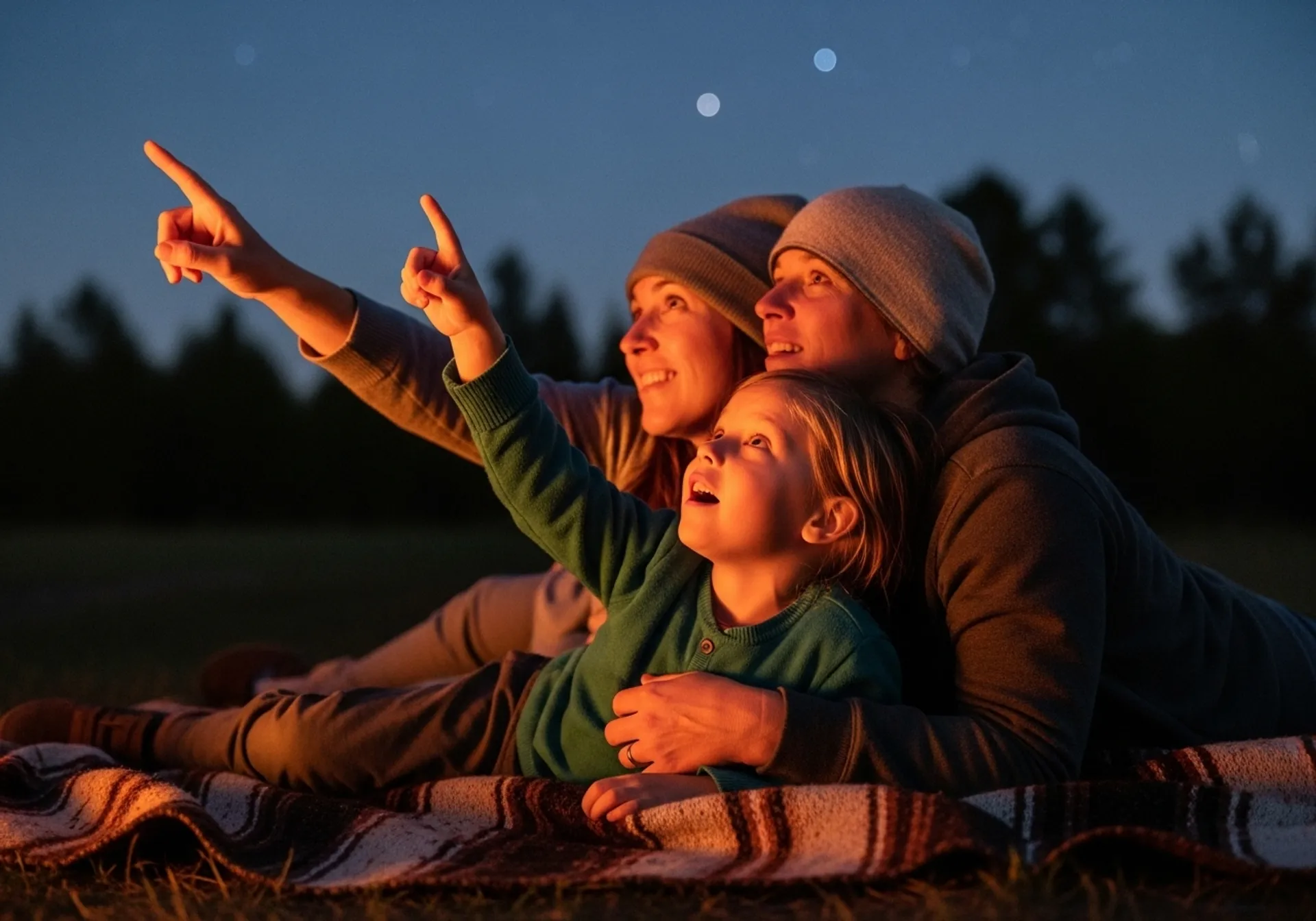
Communicating Values to Extended Family
One challenge many families face is well-meaning grandparents who express love through material gifts. Have gentle conversations about your family’s values and provide specific suggestions. Create wishlists that include experience gifts such as memberships, lessons, or contributions to a family adventure fund. Most relatives genuinely want to give meaningful gifts — they just need guidance.
Handling Peer Pressure and Social Expectations
Children will notice when friends receive elaborate material gifts. Prepare for this by having honest conversations about your family’s choices. Help them understand that different families prioritize different things. Emphasize what they gain — the adventures, the experiences, the freedom — rather than what they might be missing.
Our budget-friendly birthday party guide offers ideas for celebrating without overspending while still creating memorable experiences for children and their friends.
The Environmental Impact of Conscious Choices
Beyond financial benefits, choosing experience gifts and secondhand items makes a meaningful environmental impact. The EPA reports that over 11 million tons of textile waste end up in U.S. landfills every year. By choosing secondhand, families reduce demand for new production and keep perfectly good items in use longer.
Teaching children about sustainability through purchasing choices instills values that guide them throughout their lives. They learn that caring for the environment starts with everyday decisions — including how we shop for clothes, toys, and gifts.
Starting Your Budget-Conscious Parenting Journey
You do not need to overhaul your entire approach overnight. Start small — perhaps by giving one experience gift at the next birthday, or by trying secondhand shopping for seasonal clothing. Notice how these choices feel and how your children respond.
At High Country Mom Squad, we believe that the best things in life truly are not things at all. They are the hikes where you spotted a deer, the camping trips where it rained and you laughed anyway, and the simple moments of connection that happen when families focus on being together rather than accumulating more. Start making these choices today.